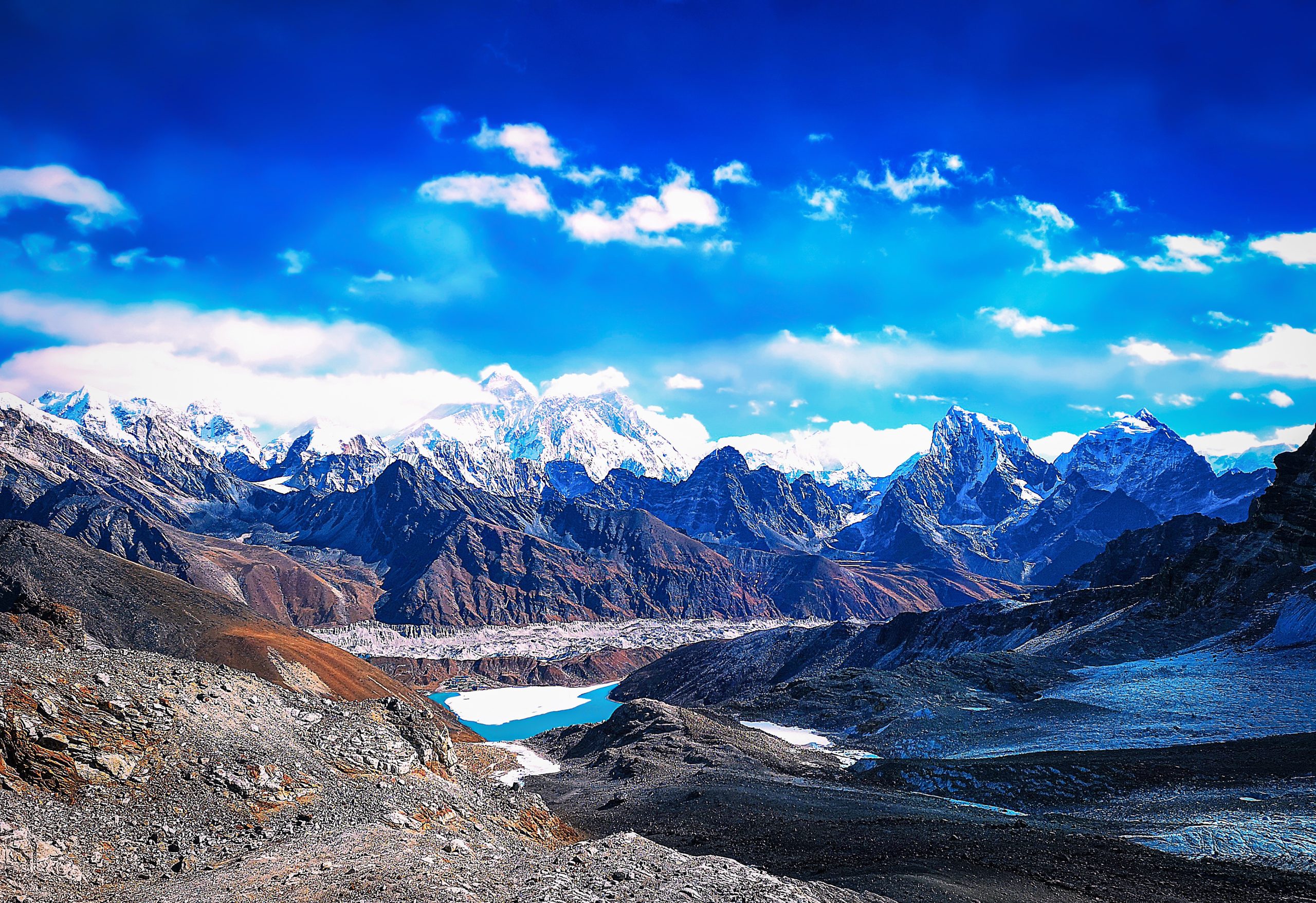
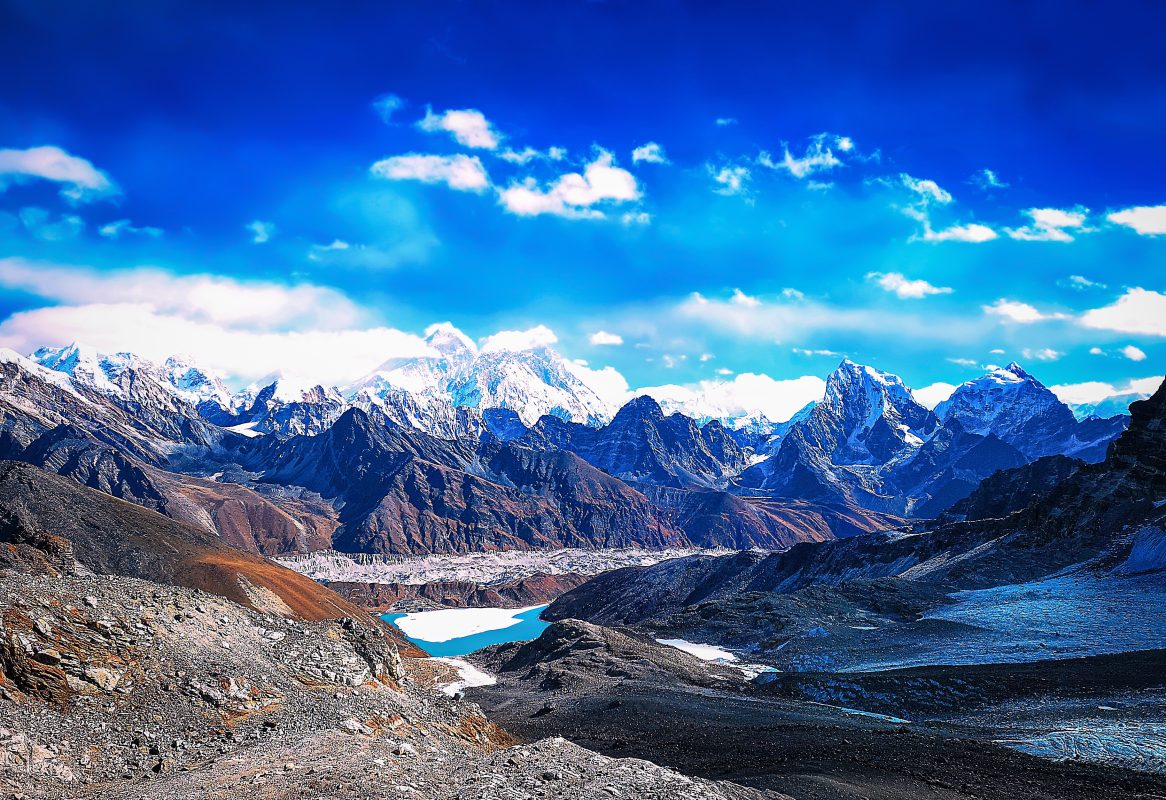
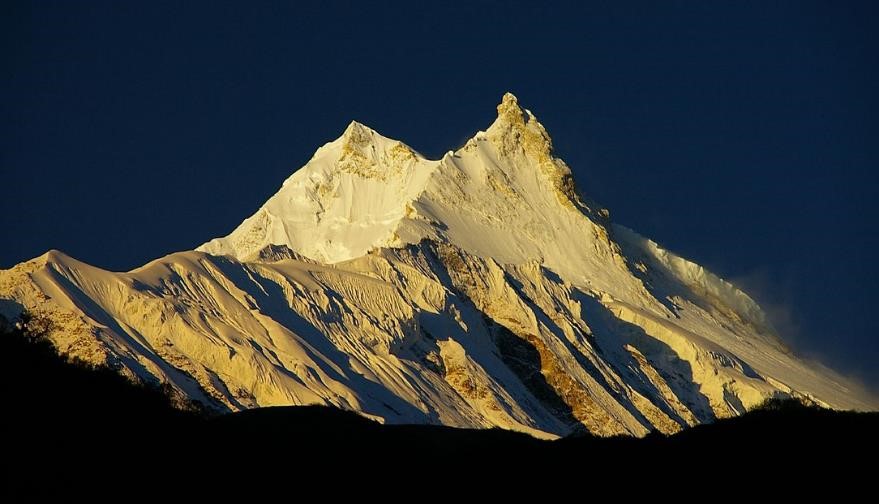
Mount Manaslu, standing tall at 8,163 meters (26,781 ft), is the eighth-highest mountain in the world and one of Nepal’s most spectacular Himalayan giants. Located in the Gorkha District of Nepal, this majestic peak is often called the “Mountain of the Spirit”, derived from the Sanskrit word Manasa, meaning soul or intellect.
Unlike the more commercialized trekking regions of Nepal, Manaslu remains a restricted and less crowded Himalayan destination, making it a perfect choice for trekkers seeking raw natural beauty, cultural authenticity, and adventure in its purest form.
For adventurers, Mount Manaslu offers two life-changing experiences:
The Manaslu Expedition (8,000m peak climbing challenge)
The Manaslu Circuit Trek (one of Nepal’s best trekking routes)
Both journeys surround trekkers with dramatic glaciers, Tibetan-influenced villages, deep gorges, alpine forests, and breathtaking Himalayan panoramas.
Where is Mount Manaslu Located?
Mount Manaslu is located in north-central Nepal, close to the Tibetan border. It lies within the Manaslu Conservation Area, which spans more than 1,600 square kilometers of protected Himalayan wilderness.
The region is shaped by the powerful Budhi Gandaki River, which carves deep valleys through the mountains, creating one of the most dramatic trekking landscapes in Nepal.
Surrounding peaks like Himlung Himal, Ngadi Chuli, and Ganesh Himal range
The mountain dominates the skyline and is visible from multiple trekking points along the Manaslu Circuit route.
Why is Manaslu Called the “Mountain of the Spirit”?
The name Manaslu comes from the Sanskrit word Manasa, meaning:
Mind
Soul
Intellect
Inner consciousness
Because of this spiritual connection, locals and climbers often refer to it as the “Mountain of the Spirit.”
But beyond its name, Manaslu carries deep cultural and spiritual importance for the local Tibetan Buddhist communities living in the region. The mountain is believed to be sacred, and climbers are often greeted by:
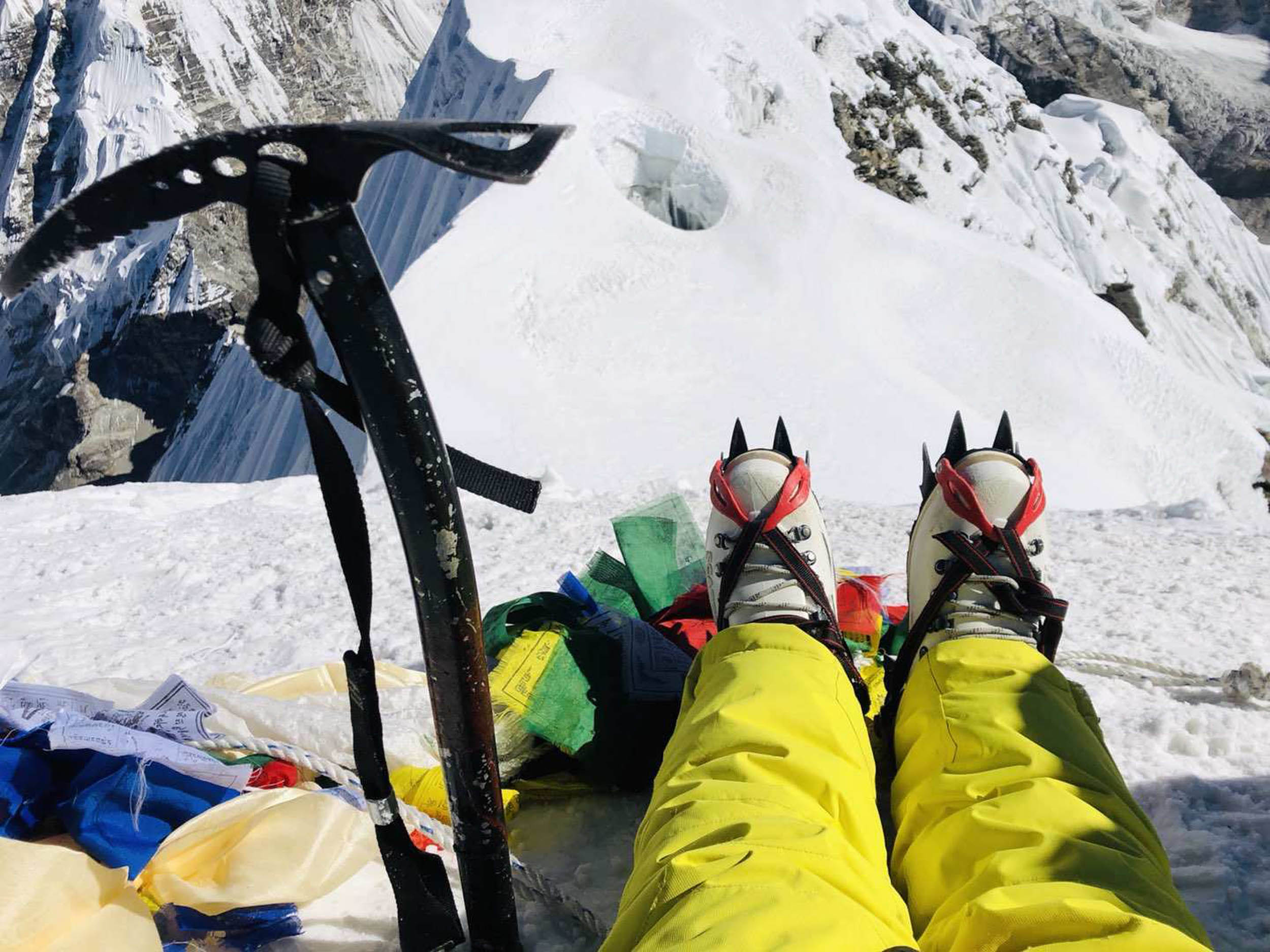
Prayer flags fluttering in the wind
Ancient monasteries
Mani walls carved with mantras
Chortens marking spiritual sites
For trekkers, this creates not just a physical journey, but a spiritual Himalayan experience.
A Brief History of Mount Manaslu
Mount Manaslu has a fascinating climbing history that is closely tied to Japanese mountaineering expeditions.
In the early 1950s, Japanese climbers began exploring the region with a strong desire to conquer an 8,000-meter peak in the Himalayas. While other nations were focused on Everest and Annapurna, Japan set its attention on Manaslu.
After multiple reconnaissance missions and attempts, success finally came on:
🏔 First Ascent of Mount Manaslu
Date: May 9, 1956
Climbers: Toshio Imanishi (Japan) and Gyalzen Norbu Sherpa (Nepal)
Expedition Leader: Yuko Maki (Japanese team leader)
This achievement marked a historic moment in Himalayan climbing history and established a strong emotional connection between Japan and Mount Manaslu.
Even today, many Japanese climbers consider Manaslu their symbolic mountain in the Himalayas.
Mount Manaslu Expedition Overview
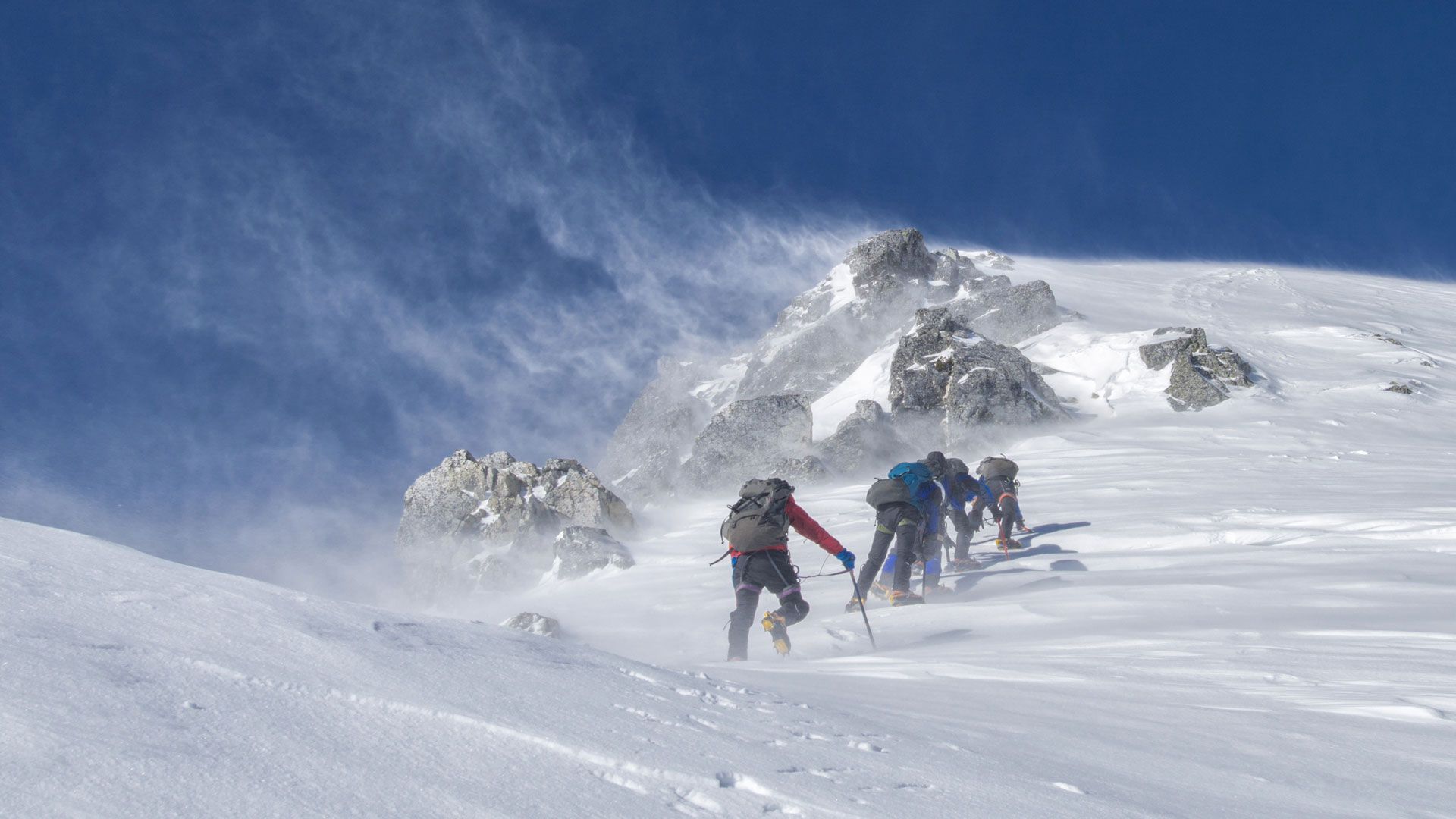
Climbing Mount Manaslu is considered one of the more achievable 8,000-meter expeditions, but it is still extremely challenging and requires high-altitude experience.
Key Facts:
Height: 8,163 meters
Difficulty: Challenging (8000m peak)
Duration: 40–55 days
Best climbing seasons: Spring (April–May) & Autumn (September–October)
Major Challenges:
Extreme altitude and low oxygen levels
Avalanches and icefall risks
Unpredictable weather conditions
Technical glacier climbing sections
Long summit push above 7,500m
Despite its challenges, Manaslu is often chosen by climbers preparing for Everest due to its balanced technical difficulty and accessibility.
Introduction to the Manaslu Circuit Trek
While the expedition is for elite climbers, the Manaslu Circuit Trek is one of Nepal’s most beautiful trekking routes, attracting adventure seekers from around the world.
The trek circles Mount Manaslu and offers an extraordinary combination of:
High Himalayan passes
Tibetan-influenced villages
Deep river valleys
Suspension bridges
Snow-covered peaks
Why the Manaslu Circuit Trek is Special
Unlike Everest or Annapurna, the Manaslu region is:
Less crowded
More culturally preserved
More remote and adventurous
Rich in Tibetan Buddhist heritage
A restricted trekking area requiring special permits
This makes it a premium Himalayan trekking experience for serious trekkers.
Key Highlights of the Trek
Some of the most unforgettable highlights include:
Stunning views of Mount Manaslu (8,163m)
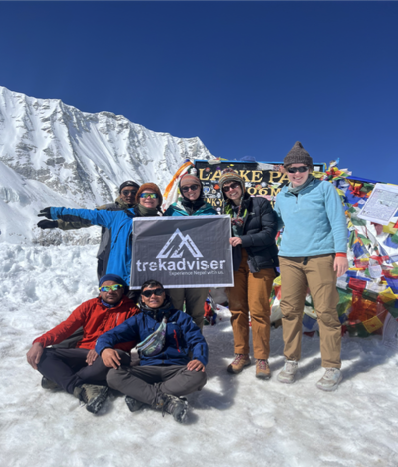
Crossing the high-altitude Larke La Pass (5,106m)
Exploring Samagaun and Samdo villages
Visiting ancient monasteries
Walking through rhododendron forests
Experiencing Tibetan culture up close
Wildlife sightings in Manaslu Conservation Area
Cultural Richness of the Manaslu Region
The Manaslu region is home to ethnic communities influenced heavily by Tibetan culture. The main groups include:
Nubri people
Tsum Valley communities
Tibetan Buddhist settlers
Their lifestyle remains deeply traditional, with:
Stone houses
Yak herding
Buddhist monasteries
Prayer rituals and festivals
Visitors often describe the region as a living museum of Himalayan culture.
Trek Adviser Pvt Ltd – Introduction
At Trek Adviser Pvt Ltd, we specialize in organizing safe, authentic, and professional trekking experiences in Nepal, including the Manaslu Circuit Trek and Manaslu Expedition.
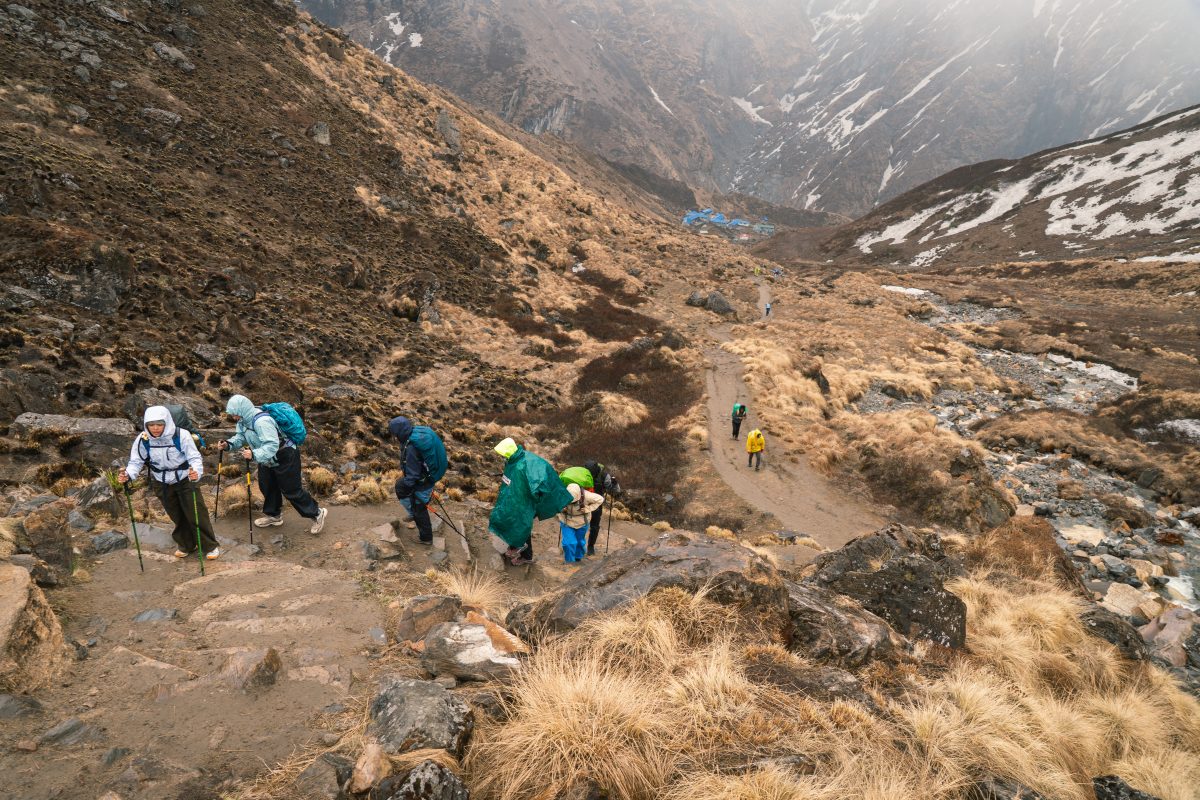
North Annapurna Base Camp Trek: Experience the Untouched Side of Annapurna with Trek Adviser
When travelers think about Annapurna, most immediately imagine the famous Annapurna Base Camp Trek on the southern side of the mountain. However, hidden beyond the crowded trails lies one of Nepal’s most spectacular and least explored trekking destinations: North Annapurna Base Camp (NABC), also known as Maurice Herzog Base Camp.
At Trek Adviser Pvt Ltd, we proudly offer a fully supported camping trek to North Annapurna Base Camp, providing a true Himalayan wilderness experience that is completely different from the standard tea-house trekking routes. If you are looking for an authentic adventure away from crowds, this trek is designed for you.
What Makes North Annapurna Base Camp Special?
North Annapurna Base Camp is located on the northern side of the mighty Annapurna I (8,091m), the tenth-highest mountain in the world. This is the historic route used by the French expedition led by Maurice Herzog, who made the first successful ascent of Annapurna I in 1950.
Unlike the popular Annapurna Base Camp trek, the northern route remains wild, remote, and untouched. Trekkers pass through hidden valleys, traditional villages, alpine meadows, glacial landscapes, and dramatic mountain scenery rarely seen by ordinary tourists.
Every day presents a new perspective of the Himalayas, making this one of Nepal’s most rewarding trekking experiences.
Why Choose a Camping Trek Instead of a Tea-House Trek?
Many trekking companies offer simple tea-house treks where trekkers stay in lodges along established routes. North Annapurna Base Camp is different.
Because of its remoteness, there are very limited accommodation facilities on the trail. Trek Adviser provides a professionally organized camping expedition that allows you to experience the mountains in their purest form.
Our Camping Service Includes:
Professional trekking guides
Experienced camping crew
Trained cooks and kitchen staff
Comfortable sleeping tents
Dining tent
Kitchen tent
Toilet tent
Freshly prepared meals
Safety equipment
Satellite communication support when necessary
Instead of relying on basic mountain lodges, our team creates a comfortable camp each evening, allowing you to relax while enjoying spectacular Himalayan sunsets and star-filled skies.
The Trek Adviser Difference
Many operators simply arrange logistics and leave trekkers to manage much of the experience themselves. At Trek Adviser, we focus on creating a premium adventure.
Small Group Experience
We believe in quality over quantity. Smaller groups mean better service, more flexibility, and a stronger connection with the mountains and local culture.
Expert Local Guides
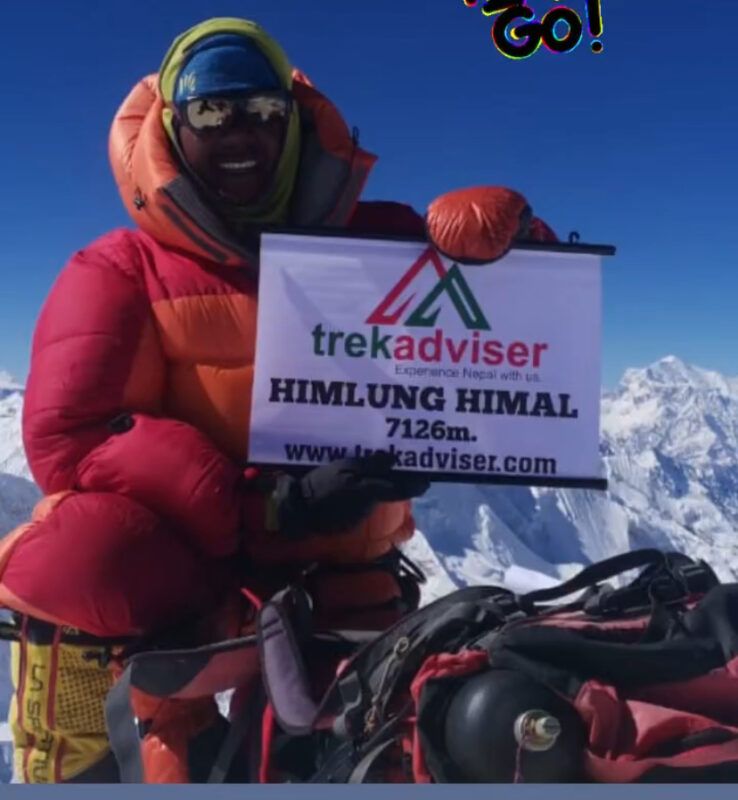
himlung himal
Our guides are highly experienced in remote Himalayan trekking. They understand the terrain, weather patterns, local culture, and emergency procedures.
Authentic Himalayan Adventure
North Annapurna Base Camp is not just another trek. It is a genuine expedition-style experience where trekkers become part of a mountain journey rather than simply walking from lodge to lodge.
Safety First
Safety remains our highest priority. We carefully monitor altitude, weather conditions, and individual health throughout the trek. Our guides are trained in wilderness first aid and high-altitude management.
A Journey Through Remote Himalayan Landscapes
The North Annapurna Base Camp Trek begins by entering one of the less-visited regions of the Annapurna Conservation Area. The trail gradually leaves villages behind and enters remote valleys surrounded by towering cliffs and snow-covered peaks.
As the trek progresses, the landscape changes dramatically:
Dense forests
Alpine grazing lands
Rocky glacial moraines
High mountain valleys
Massive icefalls
Towering Himalayan walls
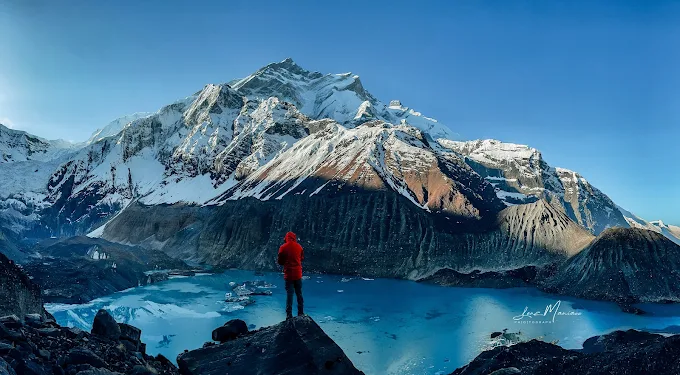
One of the most unforgettable moments is arriving at North Annapurna Base Camp itself. Standing beneath the enormous north face of Annapurna I is a humbling experience. The mountain rises directly above the base camp, creating one of the most impressive mountain views anywhere in Nepal.
Perfect for Adventure Seekers
This trek is ideal for:
Experienced trekkers
Adventure travelers
Mountain photographers
Wilderness enthusiasts
Repeat visitors to Nepal
Climbers preparing for larger expeditions
If you have already completed Everest Base Camp, Annapurna Base Camp, or the Annapurna Circuit, North Annapurna Base Camp offers an entirely new and exciting perspective of the Himalayas.
Incredible Photography Opportunities
For photographers, North Annapurna Base Camp is a dream destination.
The trek offers:
Sunrise mountain panoramas
Glacier landscapes
Himalayan wildlife
Traditional mountain villages
Night sky photography
Dramatic camp settings
Massive Himalayan walls
Because the route sees far fewer trekkers than mainstream trails, photographers can enjoy clean landscapes without crowds.
Sustainable and Responsible Travel
At Trek Adviser, we are committed to sustainable tourism.
Our camping operations focus on:
Leave No Trace principles
Proper waste management
Supporting local communities
Hiring local guides and porters
Environmental conservation
Respecting local culture and traditions
We believe that tourism should benefit both visitors and the mountain communities who call these regions home.
Best Time to Visit North Annapurna Base Camp
The best seasons for the North Annapurna Base Camp Trek are:
Spring (March – May)
Rhododendron forests in bloom
Stable weather
Excellent mountain views
Pleasant temperatures
Autumn (September – November)
Clear skies
Dry conditions
Outstanding visibility
Comfortable trekking temperatures
These seasons provide the safest and most enjoyable conditions for trekking in the region.
Why Book Your North Annapurna Base Camp Trek with Trek Adviser?
Choosing the right operator can make all the difference.
Trek Adviser Pvt Ltd offers:
✓ Fully organized camping trek
✓ Experienced mountain guides
✓ Professional camping crew
✓ High-quality equipment
✓ Fresh meals throughout the trek
✓ Safety-focused operations
✓ Personalized service
✓ Local expertise
✓ Responsible tourism practices
✓ 24/7 support before and during your trek
Our goal is not simply to take you to North Annapurna Base Camp. We aim to provide a life-changing Himalayan experience that you will remember forever.
Join the Ultimate North Annapurna Base Camp Adventure
North Annapurna Base Camp remains one of Nepal’s hidden trekking gems. Remote, wild, beautiful, and steeped in mountaineering history, it offers an experience that few travelers ever discover.
If you are searching for a true Himalayan adventure beyond the crowded trails, the North Annapurna Base Camp Camping Trek with Trek Adviser is the perfect choice.
Leave the tourist routes behind. Experience the wilderness. Sleep beneath the stars. Wake up surrounded by the world’s greatest mountains.
Join Trek Adviser and discover the untouched northern side of Annapurna.
Nepal Trekking Guide 2026: Best Treks, Costs, Seasons, Permits, Safety & Complete Trekking Information
Introduction to Trekking in Nepal
Nepal is one of the world’s greatest trekking destinations, attracting thousands of adventurers every year to explore the mighty Himalayas. Home to eight of the world’s fourteen highest mountains, including Mount Everest, Nepal offers unforgettable trekking experiences for beginners, experienced hikers, photographers, mountain lovers, and cultural explorers.
Trekking in Nepal is not only about walking through mountains. It is a journey through ancient villages, Buddhist monasteries, rhododendron forests, glaciers, alpine valleys, suspension bridges, and traditional Himalayan cultures. Every trail in Nepal offers something unique, from the legendary Everest Base Camp Trek to the hidden valleys of Manaslu and Upper Mustang.
The country is famous for tea house trekking, where trekkers stay in small mountain lodges run by local families. This makes trekking in Nepal more accessible and affordable compared to other mountain regions around the world.
Whether you are looking for a short easy trek, a luxury Himalayan experience, or a challenging high-altitude adventure, Nepal has endless trekking options for every traveler.
In this complete Nepal trekking guide for 2026, you will learn:
If you are planning trekking in Nepal in 2026 or beyond, this guide will help you prepare for the ultimate Himalayan adventure.
Why Trekking in Nepal is Famous Worldwide
Nepal has become a dream destination for trekkers from all around the world because of its unmatched combination of mountains, culture, adventure, and hospitality.
1. Home of the Himalayas
Nepal contains:
Mount Everest (8,848.86m)
Kanchenjunga
Lhotse
Makalu
Dhaulagiri
Manaslu
Annapurna
These giant Himalayan peaks create breathtaking trekking routes and landscapes unlike anywhere else on Earth.
2. Diverse Trekking Routes
Nepal offers trekking routes for all skill levels:
Easy Treks
Ghorepani Poon Hill Trek
Everest View Trek
Mardi Himal Trek
Moderate Treks
Everest Base Camp Trek
Annapurna Base Camp Trek
Langtang Valley Trek
Challenging Treks
Manaslu Circuit Trek
Everest Three Passes Trek
Kanchenjunga Trek
Dhaulagiri Circuit Trek
3. Rich Himalayan Culture
Trekkers experience:
Sherpa culture in Everest
Tibetan Buddhist traditions
Gurung villages in Annapurna
Ancient monasteries
Prayer flags and mani walls
Traditional mountain lifestyles
4. Affordable Adventure Destination
Compared to trekking in Europe or South America, trekking in Nepal is more affordable while still offering world-class adventure experiences.
5. Tea House Trekking System
Nepal’s famous tea house trekking system allows trekkers to stay in mountain lodges instead of carrying tents and camping equipment.
Benefits include:
Comfortable accommodation
Local meals
Easier logistics
Cultural interaction
Lower trekking costs
Best Treks in Nepal
Nepal offers hundreds of trekking routes, but some treks are considered world-famous due to their scenery, culture, and adventure.
Everest Base Camp Trek
Discover authentic Sherpa culture in Namche Bazaar on Everest Base Camp trek 2026
The Everest Base Camp Trek is the most iconic trek in Nepal and one of the best treks in the world.
Highlights
Trek to the base of Mount Everest
Explore Sherpa villages
Visit Namche Bazaar
See Tengboche Monastery
Cross suspension bridges
Experience Himalayan glaciers
Stunning mountain panoramas
Everest Base Camp Trek Facts
Details
Information
Duration
12–16 Days
Maximum Altitude
5,364m
Difficulty
Moderate to Challenging
Best Season
Spring & Autumn
Starting Point
Lukla
Accommodation
Tea Houses
Typical Everest Base Camp Trek Itinerary
Day 1: Fly Kathmandu to Lukla – Trek to Phakding
Day 2: Trek to Namche Bazaar
Day 3: Acclimatization Day
Day 4: Trek to Tengboche
Day 5: Trek to Dingboche
Day 6: Acclimatization Day
Day 7: Trek to Lobuche
Day 8: Trek to Everest Base Camp
Day 9: Hike Kala Patthar
Day 10–12: Return Trek
Everest Base Camp Trek Cost
The cost varies depending on services and trekking style.
Budget Trek
USD 1200–1600
Standard Guided Trek
USD 1500–2500
Luxury Trek
USD 3500+
What Makes Everest Base Camp Special
World’s highest mountain views
Sherpa hospitality
Adventure atmosphere
Glacier landscapes
Historic mountaineering route
Manaslu Circuit Trek
success photo of manaslu circuit trek
The Manaslu Circuit Trek is one of Nepal’s best off-the-beaten-path trekking adventures.
Why Trek Manaslu Circuit?
Less crowded than Everest or Annapurna
Authentic Himalayan villages
Stunning mountain scenery
Larkya La Pass crossing
Tibetan culture
Remote wilderness experience
Manaslu Circuit Trek Facts
Details
Information
Duration
14–18 Days
Maximum Altitude
5,106m
Difficulty
Challenging
Best Season
Spring & Autumn
Permit Type
Restricted Area Permit
Major Highlights
Soti Khola
Jagat Village
Samagaun
Manaslu Base Camp
Birendra Lake
Larkya La Pass
Bimthang Valley
Manaslu Circuit Trek Cost
Average Cost
USD 1600–3000
The cost includes:
Restricted permits
Guide
Accommodation
Transportation
Meals
Important Rules
The Manaslu region requires:
Licensed guide
Special permit
Minimum two trekkers through an agency
Annapurna Base Camp Trek
The Annapurna Base Camp Trek is one of Nepal’s most scenic trekking routes.
Highlights
Annapurna Sanctuary
Mountain amphitheater views
Gurung culture
Hot springs
Rhododendron forests
Trek Facts
Details
Information
Duration
10–14 Days
Maximum Altitude
4,130m
Difficulty
Moderate
Best For
Beginners with fitness
First Himalayan trek
Scenic mountain photography
Tea house trekking experience
Langtang Valley Trek
The Langtang Valley Trek is one of the closest trekking destinations from Kathmandu.
Why Choose Langtang?
Easy access from Kathmandu
Beautiful mountain scenery
Tamang culture
Less crowded trails
Affordable trekking option
Trek Details
Details
Information
Duration
7–12 Days
Difficulty
Moderate
Maximum Altitude
4,984m
Mardi Himal Trek
Mardi Himal Trek has become increasingly popular due to its short duration and incredible views.
Highlights
Machhapuchhre views
Quiet trails
Beautiful forests
Short itinerary
Perfect for beginners
Everest Three Passes Trek
This is one of Nepal’s toughest and most rewarding trekking adventures.
Choosing the right trek depends on your experience, fitness level, time, and adventure goals.
Trek Name
Difficulty
Duration
Max Altitude
Ghorepani Poon Hill
Easy
5–7 Days
3,210m
Mardi Himal
Easy–Moderate
5–8 Days
4,500m
Annapurna Base Camp
Moderate
10–14 Days
4,130m
Everest Base Camp
Moderate–Challenging
12–16 Days
5,364m
Langtang Valley
Moderate
7–12 Days
4,984m
Manaslu Circuit
Challenging
14–18 Days
5,106m
Everest Three Passes
Very Challenging
18–22 Days
5,500m+
Dhaulagiri Circuit
Extreme
18–21 Days
5,360m
How to Choose the Right Trek
For Beginners
Best choices:
Ghorepani Poon Hill
Mardi Himal
Langtang Valley
For Moderate Adventure
Best choices:
Everest Base Camp
Annapurna Base Camp
Gokyo Lakes
For Experienced Trekkers
Best choices:
Manaslu Circuit
Three Passes Trek
Kanchenjunga
Nepal Trekking Seasons
Choosing the best trekking season in Nepal is extremely important for weather, mountain views, trail conditions, and overall experience.
Autumn Season (September to November)
Autumn is considered the best trekking season in Nepal.
Advantages
Clear mountain views
Stable weather
Comfortable temperatures
Major festivals
Best photography conditions
Popular Treks During Autumn
Everest Base Camp
Annapurna Circuit
Manaslu Circuit
Three Passes Trek
Temperature
Daytime: 10°C to 20°C
Night: -10°C at higher elevations
Spring Season (March to May)
Spring is another excellent trekking season.
Highlights
Rhododendron blooms
Warm weather
Clear mountain scenery
Climbing expedition season
Best Treks for Spring
Everest Base Camp
Annapurna Base Camp
Mardi Himal
Langtang Valley
Winter Trekking (December to February)
Winter trekking is possible in many regions.
Pros
Fewer crowds
Clear skies
Peaceful trails
Cons
Cold temperatures
Snow at high passes
Flight delays possible
Best Winter Treks
Ghorepani Poon Hill
Langtang Valley
Mardi Himal
Monsoon Season (June to August)
Monsoon brings heavy rainfall in many trekking regions.
Challenges
Landslides
Leeches
Cloudy weather
Flight delays
Best Monsoon Treks
Upper Mustang
Dolpo
Nar Phu Valley
These are rain-shadow regions.
Nepal Trekking Permit Guide
Most trekking regions in Nepal require permits.
TIMS Card
TIMS stands for Trekker’s Information Management System.
Purpose
Trekker safety
Record keeping
Emergency tracking
National Park Permits
Different trekking regions require different conservation or national park permits.
Everest Region
Required permits:
Sagarmatha National Park Permit
Khumbu Municipality Permit
Annapurna Region
Required permits:
ACAP Permit
Langtang Region
Required permits:
Langtang National Park Permit
Restricted Area Permits
Restricted regions require special permits.
Restricted Trekking Areas
Manaslu
Upper Mustang
Dolpo
Nar Phu
Kanchenjunga
Requirements
Licensed guide mandatory
Trek through registered company
Minimum group requirements in some areas
Solo Trekking Rules Nepal 2026
Nepal introduced updated trekking rules in recent years regarding solo trekking.
Are Solo Trekkers Allowed?
Restricted Areas
Solo trekking is NOT allowed in:
Manaslu
Upper Mustang
Nar Phu
Dolpo
A licensed guide is mandatory.
Non-Restricted Areas
Solo trekking may still be possible in some regions such as:
Everest Region
Annapurna Region
Langtang Region
However, hiring a guide is highly recommended for safety and navigation.
Benefits of Hiring a Guide
Safety assistance
Cultural interpretation
Route navigation
Emergency support
Local knowledge
Better experience
Tea House Trekking in Nepal
Tea house trekking is one of Nepal’s most famous trekking systems.
What is a Tea House?
Tea houses are mountain lodges that provide:
Accommodation
Meals
Tea and coffee
Basic facilities
Typical Tea House Facilities
Rooms
Twin beds
Blankets
Shared bathrooms
Dining Hall
The dining room is usually heated with a stove.
Food Options
Popular trekking meals include:
Dal Bhat
Fried rice
Noodles
Pasta
Pancakes
Tibetan bread
Soup
Tea and coffee
Advantages of Tea House Trekking
Affordable
Comfortable
No camping gear needed
Support local communities
Easier logistics
Trekking Cost in Nepal
The cost of trekking in Nepal depends on:
Trekking region
Duration
Guide and porter services
Transportation
Accommodation type
Group size
Trekking season
Budget Breakdown
Daily Trekking Costs
Expense
Average Cost
Tea House
USD 5–15
Meals
USD 20–35
Guide
USD 30–40/day
Porter
USD 20–30/day
WiFi & Charging
USD 2–10
Everest Base Camp Trek Cost Breakdown
Flights
Kathmandu to Lukla flights
Permits
National park fees
Accommodation
Tea houses
Food
Meals during trek
Guide & Porter
Professional trekking staff
Average total:
USD 1500–2500
Manaslu Circuit Trek Cost Breakdown
Includes:
Restricted permits
Guide
Transportation
Accommodation
Food
Average total:
USD 1600–3000
Nepal Trekking Packing List
Packing properly is essential for trekking in Nepal.
Essential Clothing
Base Layers
Thermal tops
Thermal pants
Mid Layers
Fleece jacket
Down jacket
Outer Layer
Waterproof shell jacket
Waterproof pants
Trekking Clothes
Trekking shirts
Hiking pants
Gloves
Warm hat
Sun hat
Buff or neck gaiter
Trekking Gear
Backpack
Daypack
Trekking poles
Sleeping bag
Water bottle
Headlamp
Sunglasses
Power bank
Personal Items
Sunscreen
Lip balm
Wet wipes
Toiletries
First aid kit
Passport copies
Snacks
Footwear
Trekking Boots
Good trekking boots should be:
Waterproof
Comfortable
Broken-in before trek
Camp Shoes
Sandals or lightweight shoes are useful.
Altitude Sickness Guide
Altitude sickness is one of the most important trekking safety concerns in Nepal.
What Causes Altitude Sickness?
Altitude sickness happens when your body cannot adapt to lower oxygen levels at high altitude.
Common Symptoms
Headache
Nausea
Dizziness
Loss of appetite
Difficulty sleeping
Fatigue
Serious Symptoms
HAPE
High Altitude Pulmonary Edema
HACE
High Altitude Cerebral Edema
These conditions are dangerous and require immediate descent.
How to Prevent Altitude Sickness
1. Ascend Slowly
Avoid gaining altitude too quickly.
2. Acclimatization Days
Take rest days at key elevations.
3. Stay Hydrated
Drink enough water daily.
4. Avoid Alcohol
Alcohol increases dehydration.
5. Eat Properly
Maintain energy with regular meals.
Best Acclimatization Practices
Everest Region
Recommended acclimatization:
Namche Bazaar
Dingboche
Manaslu Region
Recommended acclimatization:
Samagaun
Trekking Safety in Nepal
Safety should always be a top priority while trekking in Nepal.
Important Safety Tips
1. Hire Experienced Guides
Professional guides improve safety and navigation.
2. Get Travel Insurance
Insurance should include:
High altitude trekking
Emergency evacuation
Helicopter rescue
3. Check Weather Forecasts
Mountain weather changes quickly.
4. Stay Hydrated
Hydration is critical at altitude.
5. Walk at Your Own Pace
Avoid rushing.
Common Trekking Risks
Altitude sickness
Weather changes
Flight delays
Slippery trails
Avalanches in winter
Fatigue
Lukla Flight Updates
Flights to Lukla are one of the most exciting parts of the Everest Base Camp Trek.
Why Lukla Flights Are Famous
Lukla Airport is considered one of the world’s most thrilling mountain airports.
Important Lukla Flight Information
Flight Delays
Weather often affects flights.
Ramechhap Flights
During busy trekking seasons, many Lukla flights operate from Ramechhap instead of Kathmandu.
Best Tips
Keep buffer days
Fly early morning
Be flexible with schedule
Best Trekking Company in Nepal
Choosing the right trekking company is important for safety, comfort, and overall experience.
What Makes a Good Trekking Company?
Licensed and Registered
Always choose:
Government registered company
Licensed guides
Insured staff
Experienced Guides
Look for:
Wilderness first aid training
Mountain experience
Local knowledge
Communication skills
Ethical Practices
Good companies support:
Fair porter treatment
Sustainable tourism
Eco-friendly trekking
Why Choose Trek Adviser Pvt Ltd
Trek Adviser Pvt Ltd is a trusted local trekking and adventure company based in Nepal.
Company Highlights
Experienced trekking and climbing guides
Personalized small group adventures
Trekking, peak climbing, expeditions, and bike tours
Focus on safety and quality service
Professional local team
Sustainable tourism approach
Popular Packages
Everest Base Camp Trek
Manaslu Circuit Trek
Annapurna Base Camp Trek
Langtang Valley Trek
Gokyo Lakes Trek
Peak climbing adventures
Services Offered
Trekking
Peak climbing
Expeditions
Motorcycle tours
Cultural tours
Customized itineraries
Complete Everest Base Camp Trek Guide
The Everest Base Camp Trek remains Nepal’s most legendary trekking route.
Trek Route Overview
Kathmandu to Lukla
The adventure begins with a mountain flight.
Lukla to Namche Bazaar
Trekkers enter the famous Khumbu region.
Namche Bazaar
The Sherpa capital and acclimatization center.
Tengboche
Home to the famous monastery.
Dingboche & Lobuche
Higher alpine landscapes begin.
Everest Base Camp
The final destination beneath the world’s highest mountain.
Everest Base Camp Trek Difficulty
The trek is physically demanding due to:
High altitude
Long walking days
Cold temperatures
Thin air
However, it is achievable for most fit trekkers with preparation.
Everest Base Camp Trek Preparation Tips
Cardio Training
Running
Hiking
Stair climbing
Cycling
Strength Training
Legs
Core
Endurance
Mental Preparation
Mountain trekking requires patience and determination.
Complete Manaslu Circuit Trek Guide
The Manaslu Circuit Trek is considered one of Nepal’s most beautiful remote treks.
Why Manaslu is Special
Unlike Everest and Annapurna, Manaslu remains quieter and more authentic.
Cultural Experience
Trekkers pass through:
Tibetan Buddhist villages
Ancient monasteries
Yak pastures
Traditional mountain communities
Larkya La Pass
The biggest challenge of the trek.
Pass Elevation
5,106 meters
What to Expect
Long trekking day
Snow possible
Incredible mountain views
Glacier scenery
Manaslu Trek Preparation
Trekkers should:
Train physically
Prepare for remote conditions
Carry warm clothing
Trek with experienced guide
Sustainable Trekking in Nepal
Responsible tourism is becoming increasingly important.
How Trekkers Can Help
Avoid Plastic Waste
Carry reusable water bottles.
Respect Local Culture
Dress respectfully and follow local customs.
Support Local Communities
Stay in local tea houses and buy local products.
Leave No Trace
Do not litter on trekking trails.
Internet, WiFi & Charging During Trekking
Many trekking regions now provide internet access.
Everest Region
WiFi available in many tea houses.
Annapurna Region
Good connectivity in popular routes.
Charging Costs
Tea houses often charge extra for:
Phone charging
Camera charging
WiFi usage
Food During Trekking in Nepal
Food is an important part of the trekking experience.
Most Popular Trekking Meal
Dal Bhat
Traditional Nepali meal including:
Rice
Lentil soup
Vegetables
Pickles
Benefits:
High energy
Nutritious
Unlimited refills in many places
Other Common Trekking Foods
Momos
Pasta
Pizza
Fried rice
Pancakes
Tibetan bread
Noodles
Luxury Trekking in Nepal
Luxury trekking has become increasingly popular.
Luxury Trek Features
Premium lodges
Helicopter flights
Gourmet meals
Hot showers
Comfortable beds
Personalized services
Popular Luxury Treks
Luxury Everest Base Camp Trek
Everest View Luxury Trek
Annapurna Luxury Lodge Trek
Family Trekking in Nepal
Nepal is also suitable for family adventures.
Best Family-Friendly Treks
Ghorepani Poon Hill
Mardi Himal
Everest View Trek
Lower Mustang
Tips for Family Trekking
Choose shorter itineraries
Walk slowly
Keep children hydrated
Avoid extreme altitude too quickly
Female Trekking in Nepal
Nepal is generally safe for female trekkers.
Helpful Tips
Trek with reputable company
Dress respectfully
Hire trusted guides
Inform family about itinerary
Many solo female trekkers successfully trek in Nepal every year.
Photography Tips for Nepal Trekking
Nepal is one of the best photography destinations in the world.
Best Photography Locations
Kala Patthar
Gokyo Ri
Poon Hill
Larkya La Pass
Annapurna Base Camp
Essential Photography Gear
Extra batteries
Power bank
Wide-angle lens
Waterproof bag
Cold weather drains batteries quickly.
Fitness Preparation for Trekking in Nepal
Fitness preparation improves trekking enjoyment and safety.
Recommended Training Plan
Cardio
3–5 times per week:
Running
Hiking
Stair climbing
Cycling
Strength
Focus on:
Legs
Core
Back
Practice Hiking
Train with a loaded backpack before your trek.
Cultural Etiquette During Trekking
Respecting local culture is important.
Important Cultural Tips
Monasteries
Remove shoes where required
Walk clockwise around stupas
Photography
Ask permission before taking portraits.
Greetings
“Namaste” is widely appreciated.
Nepal Trekking Weather Guide
Weather changes significantly with altitude.
Lower Elevations
Warmer temperatures.
High Altitudes
Cold nights and strong winds.
Everest Region Weather
Autumn
Best visibility.
Winter
Very cold but clear.
Spring
Excellent trekking conditions.
Common Questions About Trekking in Nepal
Is trekking in Nepal safe?
Yes, trekking in Nepal is generally safe with proper planning and preparation.
Do I need previous trekking experience?
Not always. Many beginner-friendly treks are available.
Can beginners do Everest Base Camp?
Yes, with fitness preparation and proper acclimatization.
Is travel insurance necessary?
Yes, especially for high-altitude trekking.
How much should I tip guides and porters?
Tipping is appreciated and common in Nepal.
Why Nepal Should Be Your Next Trekking Destination
Nepal offers more than mountains. It offers adventure, culture, personal challenge, and unforgettable memories.
Every trekking route in Nepal tells a different story:
Everest inspires adventure
Annapurna offers beauty and comfort
Manaslu provides wilderness
Langtang shares culture and peace
Mustang reveals Himalayan deserts
Whether you are searching for your first Himalayan trek or a life-changing mountain expedition, Nepal remains one of the greatest trekking destinations on Earth.
Final Thoughts
Trekking in Nepal is a dream experience for adventurers from around the world. From Everest Base Camp to the remote Manaslu Circuit, the Himalayas offer unmatched beauty, cultural richness, and mountain adventure.
Planning the right trek involves understanding:
Trek difficulty
Trekking seasons
Permits
Packing requirements
Altitude safety
Trekking costs
Route selection
With proper preparation and guidance, trekking in Nepal becomes a once-in-a-lifetime journey filled with incredible memories.
Whether you choose tea house trekking, luxury lodges, remote mountain circuits, or classic Himalayan routes, Nepal welcomes every trekker with breathtaking scenery and warm hospitality.
If you are planning trekking in Nepal in 2026, now is the perfect time to prepare your adventure and explore the heart of the Himalayas.
🍂 Autumn Trekking in Nepal 2026 – Best Time for Himalayan Adventures
October 2026 offers crystal-clear mountain views, stable weather, and perfect trekking conditions across Nepal’s Himalayas.
October 2026 is the peak trekking month in Nepal. After the monsoon, the skies are clean, the trails are dry, and the Himalayas reveal their sharpest views.
This is the most popular and rewarding trekking period of the year.
Nepal is home to the world’s most iconic trekking routes, and among all seasons, autumn (September to November) is considered the finest time to explore the Himalayas. In 2026, this season is expected to be even more popular as travelers return to Nepal for safe, well-organized, and high-quality trekking experiences.
After the monsoon, the mountains become crystal clear, the air is fresh, and the entire Himalayan range opens up with breathtaking visibility. From Everest to Annapurna, every trail becomes a perfect pathway into nature, culture, and adventure.
At Trek Adviser Pvt Ltd, autumn is our most important trekking season—where we guide trekkers from around the world through Nepal’s most beautiful landscapes.
🌄 Why Autumn 2026 is the Best Trekking Season in Nepal
Autumn is widely recognized as the peak trekking season in Nepal due to its ideal climate and excellent mountain visibility.
✔ Key Advantages of Autumn Trekking:
🏔️ Crystal-clear views of the Himalayas
🌤️ Stable weather with minimal rainfall
🥾 Dry, safe, and well-maintained trekking trails
🎉 Major cultural festivals like Dashain and Tihar
📸 Perfect lighting and photography conditions
🏡 Fully operational teahouses and lodges
During this time, both nature and culture are at their best. Villages are active, farmers are harvesting crops, and trekkers from all over the world fill the trails with energy and excitement.
Top Trekking Routes for Autumn 2026
Nepal offers a wide range of trekking options from world-famous routes to remote Himalayan adventures. Here are the most recommended treks for autumn 2026:
👉 Book your Autumn 2026 trek now and secure your place in the Himalayas.
Autumn 2026 is one of the most promising trekking seasons in Nepal. With perfect weather conditions, stunning mountain views, and vibrant cultural experiences, it is the ideal time to explore the Himalayas.
Whether you choose Everest Base Camp, Annapurna Circuit, Manaslu, or Langtang Valley, each journey offers something truly unforgettable.
With Trek Adviser Pvt Ltd, your adventure is guided, safe, and professionally managed from start to finish.
Nepal is a dream destination for trekkers, offering some of the most breathtaking and diverse trekking experiences in the world. From the iconic Everest Base Camp to remote valleys where modernity hasn’t reached, Nepal’s Himalayas are more than just mountains—they are a living museum of culture, nature, and spirituality.
Trekking in Nepal
Trekking in Nepal allows you to:
Witness snow-capped peaks, glacial rivers, and alpine lakes.
Immerse yourself in the culture of welcoming Sherpa, Gurung, and Tibetan communities.
Explore ancient monasteries, prayer flags, and chortens that reflect centuries-old Buddhist traditions.
Support local livelihoods through sustainable tourism.
Nepal caters to all types of trekkers, from beginners looking for scenic short hikes to seasoned adventurers eager to cross high passes and remote landscapes. Every step here is not just about reaching a destination but about the connection to nature, culture, and people.
Why Choose the Manaslu Circuit Trek?
While Nepal offers countless world-class trekking routes, the Manaslu Circuit Trek is one of the most remarkable and authentic journeys you can take. Located in the Gorkha region, this trek circles Mount Manaslu (8,163m), the world’s eighth-highest peak, and is often praised as a quieter, less-crowded alternative to Everest or Annapurna.
Highlights of the Manaslu Circuit Trek:
Scenic Diversity: From lush rice terraces and subtropical forests to high alpine meadows and glacial valleys, the landscapes constantly change as you ascend.
Cultural Encounters: The trek passes through traditional villages inhabited by Gurung and Tibetan people, where you can experience unique customs, vibrant festivals, and Buddhist heritage.
Larke La Pass (5,160m): The most thrilling part of the trek, this high pass offers panoramic views of Himalayan giants like Manaslu, Himlung Himal, Cheo Himal, and Annapurna II.
Peaceful Trails: As a restricted area trek, the Manaslu Circuit requires a special permit, ensuring fewer crowds and a more authentic Himalayan experience.
Rich Wildlife: The Manaslu Conservation Area protects endangered species like the snow leopard, red panda, and Himalayan tahr, making it a paradise for nature lovers.
Trekking Experience
The trek usually takes 14–18 days depending on the itinerary. It is classified as moderately challenging, making it ideal for trekkers with good physical fitness who are seeking adventure beyond the usual tourist trails.
Why the Manaslu Circuit Should Be Your Next Trek
If you’re looking for a trekking experience that blends untouched wilderness, cultural richness, and the thrill of high-altitude adventure, the Manaslu Circuit Trek is the perfect choice. Nestled in the heart of the Nepalese Himalayas, this trek circles Mount Manaslu (8,163m)—the eighth-highest mountain in the world—and offers an unforgettable journey through pristine landscapes and centuries-old traditions.
Unlike the more crowded Everest Base Camp Trek or the Annapurna Circuit Trek, the Manaslu Circuit remains less commercialized, giving trekkers an authentic and peaceful experience. It’s one of the best treks in Nepal for those seeking both adventure and cultural immersion.
The trek is centered around Mount Manaslu, known as the Mountain of the Spirit. Towering over the landscape at 8,163 meters, it is a breathtaking sight from every angle of the trail. The Manaslu Circuit Trek allows you to circle the mountain, enjoying panoramic views of neighboring Himalayan giants such as Himlung Himal, Cheo Himal, and Annapurna II. According to the Nepal Tourism Board, Manaslu is considered one of the most beautiful massifs in the Himalayas, yet still remains off the beaten path.
1. A Journey Through Diverse Landscapes
One of the most rewarding aspects of the Manaslu Circuit is the incredible variety of landscapes you’ll traverse. Beginning in low-altitude subtropical forests and terraced farmlands along the Budhi Gandaki River, the trail gradually ascends into rhododendron and pine forests before reaching alpine meadows and glacial valleys.
As you climb higher, you’ll encounter rugged, icy wilderness and finally conquer the mighty Larke La Pass (5,160m)—the highest point of the trek and one of the most dramatic passes in Nepal. The constantly changing scenery ensures that every single day of the journey feels fresh, exciting, and unforgettable.
Authentic Cultural Encounters
The Manaslu regionis home to Gurung, Magar, and Tibetan-influenced communities whose traditions remain largely untouched by modern tourism. Along the trail, you’ll pass ancient Buddhist monasteries, spinning prayer wheels, and stone-carved mani walls that reflect the deep spirituality of the Himalayas.
Staying in traditional teahouses run by local families offers not only warm hospitality but also a chance to understand the rhythms of daily life in remote mountain villages. For those seeking cultural depth alongside natural beauty, the Manaslu Circuit delivers an experience that feels both genuine and timeless.
The Challenge of Larke La Pass
Crossing the Larke La Pass (5,160m) is a highlight of the trek and a true test of endurance. The climb is demanding, but the panoramic views from the top are unparalleled—snow-capped peaks stretching endlessly across the horizon. The pass is often cited as one of the most beautiful high passes in Nepal, making it the ultimate reward for your perseverance.
Why Manaslu Circuit Over Other Treks?
Fewer Crowds: The restricted area status requires a special permit, keeping the trail quieter and more authentic.
Adventure Factor: More rugged and less commercialized than Everest or Annapurna, offering a “wilder” experience.
Biodiversity: Located in the Manaslu Conservation Area, the region is home to rare species like the snow leopard, red panda, and Himalayan tahr.
Trekking in Nepal is always a transformative experience, but the Manaslu Circuit Trek stands out as one of the most rewarding adventures the country has to offer. With its breathtaking mountain views, rich cultural immersion, and the thrill of crossing Larke La Pass, it captures the very essence of Himalayan trekking.
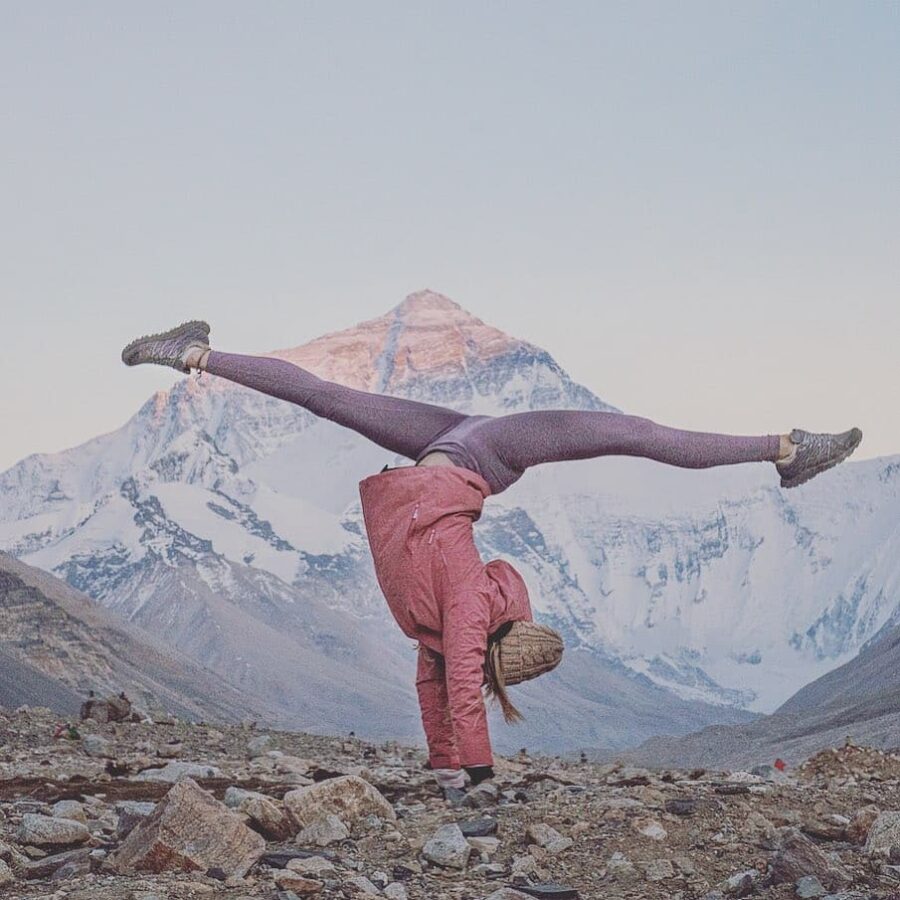
Photo and benefits of Yoga and mindfulness by @bohobeautifullife @photomunn
Most of us know we need to exercise more, but with increasingly busy lives, it’s important to prioritize the activity that will give us the greatest health benefit. After a long day sitting at a desk inside a stuffy office, working out in a gym couldn’t be less appealing. It’s no surprise that more and more people are ditching the gym and hitting the trails to improve their health. And the good news is, just 30 minutes a day of walking or hiking can make a significant impact on your health!
Need convincing to get your walking boots on? Here are ten health benefits of trekking – some will surprise you!
With 8 highest peaks and many 8000 m and 7000 m peaks Nepal is considered the best destination for mountaineering in the world.
Mountaineering in Nepal is not only challenging but also very rewarding. Part of the Himalayas, the highest mountain range in the world lies in Nepal. Eight of the fourteen eight-thousander are located in the country, either in whole or shared across a border with China or India. Nepal has the highest mountain in the world, Mount Everest. The ultimate glory of mountaineering is reaching the summit of Mt. Everest, but there are other technical challenges like Lhose beside it or you can take on any of the other 326 climbing peaks that are waiting for you.
Mountaineering in Nepal
The most formidable mountain range in the world with nearly a third of the country lying above the elevation of 3,500 m. Eight of the world’s highest peaks lie within Nepal’s territory:
Everest 8848 m
Kanchenjunga 8586 m
Lhotse 8516 m
Makalu 8463 m
Cho Oyu 8201 m
Dhaulagiri 8167 m
Manaslu 8156 m
Annapurna I 8091 m
which are all over 8,000 m above sea level. Everest was first sumitted by Edmund Hillary and Tenzing Norgay in 1953 with a Bristish Expedition led by John Hunt. While the first mountain to be climbed among them was Annapurna in 1950 by a French Expedition with Maurice Herzog as leader.
Besides these eight giant peaks, there are 326 other mountains within Nepal which are open for mountaineering expeditions and out of them, 103 have never been climbed before. Nepal offers mountaineers more opportunities than any other country in the world, and throws endless challenges at them including the less glorified trekking peaks which still require climbing gear and climbing skills if you want to climb them.
Mountain /Peak
Metres
Feet
Section
Notes
Mount Everest
8,848
29,029
Khumbu
Earth’s highest from sea level
Kanchenjunga
8,586
28,169
Northern Kanchenjunga
3rd highest on Earth
Lhotse
8,516
27,940
Everest Group
4th highest
Makalu
8,463
27,766
Makalu Mahalangur
5th highest
Cho Oyu
8,201
26,906
Khumbu Mahalangur
6th highest
Dhaulagiri I
8,167
26,795
Dhaulagiri
7th highest
Manaslu
8,156
26,759
Mansiri
8th highest
Annapurna I
8,091
26,545
Annapurna
10th highest
Gyachung Kang
7,952
26,089
Khumbu Mahalangur
between Everest and Cho Oyu
Annapurna II
7,937
26,040
Annapurna
Himalchuli
7,893
25,896
Mansiri
18th highest
Ngadi Chuli
7,871
25,823
Mansiri
First ascent 1970
Nuptse
7,861
25,791
Everest Group
319 metres prominence from Lhotse
Dhaulagiri II
7,751
25,430
Dhaulagiri
Jannu
7,711
25,299
Kumbhakarna Kangchenjunga
Dhaulagiri IV
7,661
25,135
Dhaulagiri
Dhaulagiri V
7,618
24,993
Dhaulagiri
Annapurna III
7,555
24,787
Annapurna
Jongsong Peak
7,462
24,482
Janak
#57 in the world
Gangapurna
7,455
24,459
Annapurna
Yangra
7,422
24,350
Ganesh
Kabru
7,412
24,318
Singalila Kangchenjunga
Churen Himal
7,385
24,229
Dhaulagiri
Kirat Chuli
7,365
24,163
Kangchenjunga
Nangpai Gosum
7,350
24,114
Khumbu Mahalangur
First ascent October 12, 1986
Gimmigela Chuli
7,350
24,114
First ascent 1995
Chamlang
7,321
24,019
Barun Mahalangur
#79 in the world
Dhaulagiri VI
7,268
23,845
Dhaulagiri
Putha Hiunchuli
7,246
23,773
Dhaulagiri
Langtang Lirung
7,227
23,711
Langtang
#99 in the world
Annapurna Dakshin
7,219
23,684
Annapurna
Langtang Ri
7,205
23,638
Langtang
#106 in the world
Chamar
7,187
23,579
Sringi
First ascent 1953
Melungtse
7,181
23,560
Rolwaling
First ascent 1988
Pumori
7,161
23,494
Khumbu Mahalangur
First ascent 1962
Nemjung Manang
7,140
23,425
First ascent 1983
Gaurishankar
7,134
23,406
Rolwaling
First ascent 1979
Tilicho Peak
7,134
23,406
Annapurna
First ascent 1979
Api
7,132
23,399
Yoka Pahar Gurans
First ascent 1960
Baruntse
7,129
23,389
Barun Mahalangur
First ascent 1954
Nilgiri
7,061
23,166
Nilgiri Annapurna
First ascent 1962
Saipal
7,031
23,068
Saipal Gurans
Machapuchare
6,993
22,943
Annapurna
Sacred mountain, unclimbed
Kang Guru
6,981
22,904
Larkya or Peri
2005 avalanche kills 18
Dorje Lakpa
6,966
22,854
Langtang
Kanjiroba
6,883
22,582
Kanjiroba Himal
Kubi Gangri
6,859
22,503
Himalayas
Jethi Bahurani
6,850
22,474
Himalayas
Ama Dablam
6,812
22,349
Barun Mahalangur
“Mother and her necklace”
Kangtega
6,782
22,251
Barun Mahalangur
First ascent 1963
Cho Polu
6,735
22,096
Barun Mahalangur
First ascent 1999
Changla
6,721
22,051
Himalayas
Lingtren
6,714
22,028
Khumbu Mahalangur
First ascent 1935
Num Ri
6,677
21,906
Barun Mahalangur
First ascent 2002
Khumbutse
6,640
21,785
Khumbu Mahalangur
First mountain west of Everest
Thamserku
6,623
21,729
Barun Mahalangur
First ascent 1964
Pangboche
6,620
21,719
Kutang Himal
Dragmarpo Ri
6,578
21,581
Langtang
Unclimbed
Taboche
6,542
21,463
Khumbu Mahalangur
First ascent 1974
Singu Chuli
6,501
21,329
Annapurna
Trekking peak
Mera Peak
6,476
21,247
Himalayas
Trekking peak
Hiunchuli
6,441
21,132
Annapurna
Trekking peak (difficult)
Cholatse
6,440
21,129
Khumbu Mahalangur
Connected to Taboche
Kusum Kangguru
6,367
20,889
Barun Mahalangur
Trekking peak (difficult)
Ombigaichan
6,340
20,801
Barun Mahalangur
Om Parvat
6,191
20,312
Himalayas
Sacred summit
Kongde Ri
6,187
20,299
Barun Mahalangur
Trekking peak (difficult)
Imja Tse
6,160
20,210
Khumbu Mahalangur
Also known as Island Peak. Popular trekking peak.
Lobuche
6,145
20,161
Khumbu Mahalangur
Trekking peak
Pisang Peak
6,091
19,984
Annapurna
Trekking peak
Nirekha
6,069
19,911
Khumbu Mahalangur
Trekking peak (difficult)
Baden-Powell Peak
5,825
19,111
Jugal
Formerly known as Urkema Peak
Pokalde
5,806
19,049
Khumbu Mahalangur
Trekking peak (moderate)
Mount Khumbila
5,761
18,901
Mahalangur
Unclimbed
Tharpu Chuli
5,663
18,579
Annapurna
Trekking peak
Kala Patthar
5,545
18,192
Khumbu Mah
Popular hiking peak below Pumori
Yala Peak
5,520
18,110
Langtang
Gokyo Ri
5,357
17,575
Khumbu
Popular hiking peak
Mountains of Nepal
Nepal’s climbing history goes back a long way starting with the early explorers from British India who were lured by lofty peaks and the challenges of climbing virgin peaks where no human had set foot before. By the 1960s Nepal’s trekking and mountaineering industry was well establishhed with private companies providing all logistics including porters and guides for a full expedition that would spend months in the mountains.
Since ancient times, people have viewed mountain peaks as towering objects of myth, spiritual inspiration, and romantic beauty. Early people made ascents only to hunt game, to rescue lost or strayed animals, or to gain a military advantage over an enemy. Eventually, the unknown and inaccessible ceased to be something to be feared and avoided, and the conquest of the major mountain peaks and ranges of the world began. Mountaineering as a sport was born on 8th Aug 1786, with the first ascent of Mont Du Blanc (4807 m / 15,771 ft), one of Europe ‘s tallest peaks. Since that ascent, mountain climbing has evolved into three related sports: alpine climbing, ice climbing, and rock climbing. These sports require the same fundamental techniques.
Today there are many companies that will take care of every aspect of mountain climbing and all the mountaineer has to do is arrive in good shape physically and mentally, prepared to take on the challenge and not worry about equipment and supplies. Most of the Everest expeditions are handled by well-known and trusted private companies.
The reputation of the Sherpas is built on mountaineering with many of these mountain people achieving glorified status with their multiplt climbs of Everest and other 8000 m peaks. Most expeditions wouldn’t go up without the loyal, hardy and extremely reliable sherpas. They risk theiir lives for their clients and are often called upon to rescue a climber in trouble. Although today there are many other ethnic groups involved in the service, they are generally referred to as Sherpas.
Despite all the attention being grabbed by mountains like Everest and Annapurna, the latter more for trekking than climbing, there are other peaks being climbed on a regular basis but don’t make headline news. Lhotse, Ama Dablam and Manaslu are also climbed often besides trekking peaks like Mera, Island and Yala peaks which are quite popular. Ther are also climbers looking to climb virgin peaks as Nepal from time to time, opens up new, unheard of peaks for climbing and who wouldn’t want to be the first to climb!
Nepal has designated the Annapurna, Manaslu and Kanchenjunga regions as Conservation Areas while Sagarmatha (Everest), Langtang and Shey-Phoksundo (Dolpo) are national parks while other mountain areas might not fall into these categories but are designated as ‘Restricted Areas’ as they are close to Nepal’s northern border. While the infrastructure of, and accessibility to Sagarmatha, Annapurna, Manaslu and Langtang are well developed and easily accessible enabling mountaineers and expeditions to make quick progress to their base camps the remaining areas, including the restricted areas are still very remote, where rescue or help from external sources will be difficult or unlikely and access to these areas is complex and at times difficult. Expeditions into those areas require a completely different approach, level of commitment and organizational ability to succeed on their chosen summit.
1
Customer-Service
Namaste, Have Questions? Let's chat!
Open chat
We are associated and certified with
Registered with: Company Registration Office, Government of Nepal
Licensed by: Nepal Tourism Board & Department of Tourism
General Member of Nepal Mountaineering Association
Proud Member of Trekking Agency's Association of Nepal

 1. Home of the Himalayas