License No: 237321

Trekking packing list for 15 days in Nepal

Packing for a 15-day trekking adventure

Packing for a 15-day trekking adventure requires careful planning to ensure you have everything you need while keeping your pack as light as possible. The specific items you’ll need can vary depending on the location and conditions of your trek, but here’s a general packing list to get you started:

Clothing:

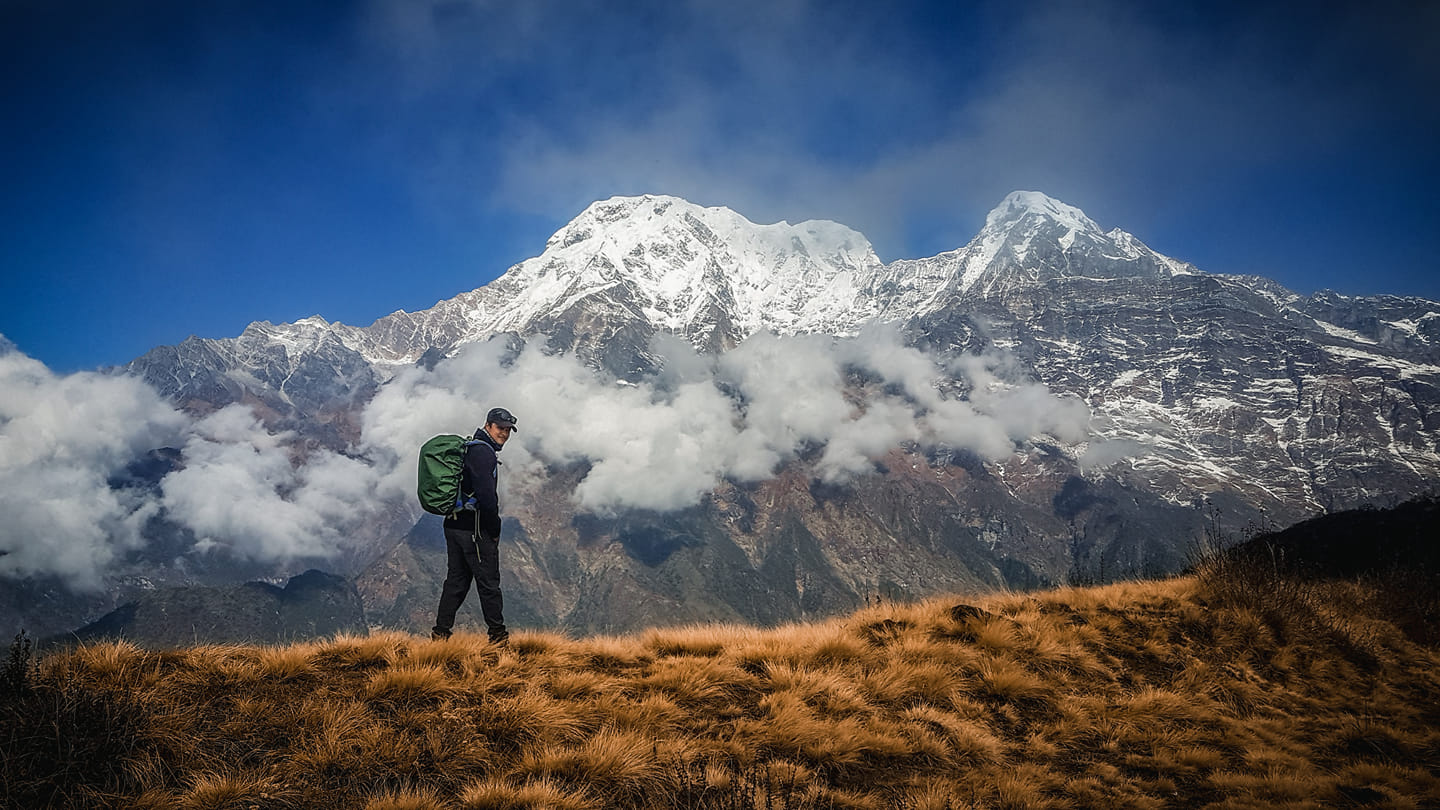
trekking packing
trekking packing list
  • Clothing:
    1. Moisture-wicking base layers (tops and bottoms)
    2. Insulating mid-layers (fleece or down jacket)
    3. Lightweight, breathable hiking pants or convertible pants/shorts
    4. Waterproof and windproof outer shell jacket and pants
    5. Long-sleeve shirts for sun protection
    6. T-shirts or quick-dry shirts
    7. Insulated hat and sun hat
    8. Gloves or mittens
    9. Socks (moisture-wicking and warm options)
    10. Underwear (moisture-wicking)
    11. Bandana or buff for various uses

    Footwear: 12. Sturdy, waterproof hiking boots with good ankle support

    • Comfortable camp shoes or sandals

    Gear: 14. Backpack with rain cover (sized appropriately for your trip)

    • Trekking poles for stability and support
    • Sleeping bag appropriate for the season and location
    • Sleeping pad or inflatable mattress
    • Tent (if not provided)
    • Headlamp or flashlight with extra batteries
    • Multi-tool or knife
    • Whistle
    • Insect repellent and mosquito net (if needed)
    • Trekking map and compass/GPS device
    • Water purification method (filter, tablets, or a UV purifier)
    • Lightweight cooking stove and cookware (if required)
    • Eating utensils, including a spork or fork-knife combo
    • Bear canister or bear bag (if trekking in bear country)
    • Repair kits for gear (sewing kit, duct tape, etc.)
    • Ziplock bags or dry bags for waterproofing
    • Plastic bags for waste disposal

    Hydration and Nutrition: . Water bottles or a hydration system (1-2 liters capacity)

    • Water bladder or reservoir (optional)
    • High-energy snacks (trail mix, energy bars, dried fruits)
    • Dehydrated or freeze-dried meals
    • Cooking fuel canisters (if needed)
    • Eating and drinking containers

    Personal Items: . Passport, ID, permits, and cash (in a waterproof bag)

    • First-aid kit (bandages, antiseptic, pain relievers, blister treatment, etc.)
    • Prescription medications and any necessary medical supplies
    • Personal toiletries (toothbrush, toothpaste, biodegradable soap, hand sanitizer)
    • Toilet paper and trowel (for Leave No Trace principles)
    • Sunscreen and lip balm with SPF
    • Sunglasses with UV protection
    • Personal entertainment (book, journal, playing cards, etc.)

    Optional Extras: . Camera and extra batteries

    • Binoculars
    • Trekking guidebook or nature field guide
    • Trekking poles for added stability
    • Gaiters (for keeping dirt and debris out of your boots)
    • Spare clothing for town visits or rest days

    Remember to adjust the list based on the specifics of your trek, like the climate and whether you’ll have access to facilities for washing clothes or restocking supplies. Additionally, always check the weather forecast and local regulations before you go and pack accordingly. Overpacking can be burdensome, so try to keep your gear as lightweight and functional as possible.

Trekking in Nepal: A Paradigm of Adventure and Discovery

Nepal, a gem nestled within the embrace of the Himalayas, stands as a testament to nature’s magnificence and cultural richness. From its awe-inspiring landscapes to its captivating traditions, Nepal offers a trekking experience that transcends the ordinary, inviting adventurers from around the world to embark on a journey that resonates with the very essence of exploration. If you’re seeking an unparalleled trekking adventure, here are five compelling reasons why Nepal should take center stage in your travel aspirations.

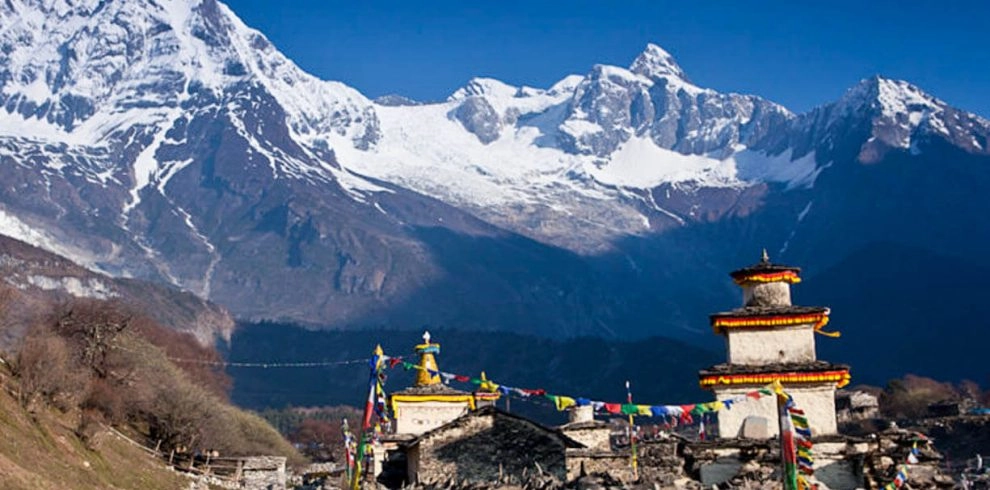
tsum valley

1. Spectacular Himalayan Landscapes:

Nepal proudly holds the title of housing the world’s most iconic mountain range—the Himalayas. Choosing to trek here means immersing yourself in a visual symphony of towering snow-capped peaks, meandering valleys, placid alpine lakes, and dense, mystical forests. The Everest, Annapurna, Langtang, and Manaslu regions, among others, unravel an unparalleled tapestry of natural beauty that captures the very essence of untouched majesty.

2. Cultural Exploration and Authenticity:

Beyond its breathtaking landscapes, Nepal’s trekking trails offer an unparalleled opportunity for cultural immersion. As you traverse through traditional villages inhabited by diverse ethnic groups, each with its own distinct culture and way of life, you’ll find yourself woven into the intricate fabric of their existence. Engaging with locals, participating in time-honored traditions, and delving into their customs provides an enriching experience that transcends the physical journey. Whether you’re sharing stories over warm cups of tea in a mountain teahouse or dancing in harmony with locals during vibrant festivals, Nepal’s cultural tapestry leaves an indelible mark.pexels mehmet turgut kirkgoz 14557143

3. Varied Trekking Routes for All Levels:

Nepal prides itself on offering a trekking experience for everyone. Whether you’re a novice or a seasoned trekker, Nepal’s trail network caters to all levels of expertise. Families and beginners can find solace in the accessible yet awe-inspiring Ghorepani Poon Hill trek. Adventurers seeking challenge can set their sights on routes like the Annapurna Circuit or the formidable Everest Base Camp trek. The diversity in trail options ensures that you can curate an experience that perfectly aligns with your skills and preferences.

4. Spiritual Connection and Reflective Moments:

Beyond its physical grandeur, Nepal is a land infused with spirituality. As the birthplace of Lord Buddha and a crossroads of Hindu and Buddhist traditions, Nepal’s trekking trails often lead to ancient monasteries, serene stupas, and revered pilgrimage sites. Amidst the Himalayan backdrop, these sanctuaries provide trekkers with profound moments of introspection and inner peace, forming an intrinsic part of the journey’s holistic experienceNepal is not only a geographical marvel but also a deeply spiritual land. As the birthplace of Lord Buddha and a melting pot of Hindu and Buddhist traditions, Nepal’s trekking trails often lead to ancient monasteries, stupas, and pilgrimage sites. The serenity of these places allows trekkers to find moments of reflection and inner peace amidst their adventurous journey

5. Wildlife and Nature Conservation:

Nepal’s commitment to preserving its natural heritage is palpable through its extensive national parks and wildlife reserves. While trekking, you might be privileged to encounter rare and endangered species, including the elusive snow leopard, the endearing red panda, or the iconic one-horned rhinoceros. Your trek becomes an active contribution to the preservation of Nepal’s awe-inspiring biodiversity.

Conclusion:

Trekking in Nepal is a transformative odyssey that transcends the bounds of conventional travel. It’s a symphony of nature’s grandeur, cultural authenticity, and personal growth. From the majestic peaks to the heartfelt connections with locals, Nepal seamlessly weaves an experience that resonates deeply with the adventurer within us all. If you’re yearning for an indelible journey that harmonizes breathtaking landscapes with cultural exploration, Nepal stands as an unrivaled destination—inviting you to step into a realm where every footstep is a celebration of discovery.


Preparing for the High-Altitude Trek: Conquering New Heights

Preparing for the High-Altitude Trek: Conquering New Heights

A high-altitude hike is the ideal excursion for you if you love nature and adventure and are looking for a genuinely breathtaking experience. High-altitude treks can be exciting and difficult, but they also provide breathtaking views and an unparalleled sense of accomplishment. However, it necessitates careful planning to guarantee your wellbeing, safety, and happiness throughout the travel. We will walk you through the necessary preparations for a high-altitude trek in this blog, giving you the courage to scale new heights.

Namche Bazaar
Namche Bazaar, the trade center of the Everest region

1. Choose the Right Trek

Before beginning your high-altitude journey, take into  your level of fitness and prior trekking experience. Trekking at high altitudes requires stamina on the physical and mental levels as well as the capacity to adjust to shifting weather patterns. Choose beginner-friendly routes at lower elevations if you are just starting off with trekking. Experienced hikers may have a bucket list that includes difficult trails like Annapurna circuit  or Everest Base Camp. Whichever journey you decide on, properly investigate it to make sure it fits your interests and ability.

2. Training and Fitness

Physical conditioning is necessary to prepare for a high-altitude trek. Improve your endurance by regularly participating in cardio exercises like jogging, cycling, or swimming. Doing exercises designed specifically for trekking, such as lunges, squats, and stair climbing, strengthen your legs. Exercises for your core can help in stabilizing your body on difficult terrain.

The secret to adjusting to greater elevations is acclimatization. Before beginning the trek, if at all possible, schedule a few days to acclimatize at a moderate altitude. This will lessen your chance of experiencing altitude sickness and improve your entire hiking experience.

trekking health benefits

3. Packing Wisely

Packing smartly is essential for a successful trek. Opt for lightweight, moisture-wicking clothing that can be layered easily. Some key items to pack include:

  • Hiking Boots: Invest in comfortable, well-fitted hiking boots with ankle support.
  • Clothing: Lightweight, quick-drying shirts, pants, fleece jackets, and a waterproof outer layer are essential.
  • Sleeping Bag: Choose a sleeping bag suitable for the expected temperatures.
  • Backpack: A sturdy, comfortable backpack with hip support to carry your essentials.
  • First Aid Kit: Include basic medications, bandages, antiseptic ointments, and blister treatment.
  • Sun Protection: Sunscreen, sunglasses, and a wide-brimmed hat are a must.
  • Water and Snacks: Carry a reusable water bottle and energy-rich snacks like nuts, energy bars, and dried fruits.
  • Navigation Tools: Map, compass, or GPS device to stay on the right path.
  • Personal Items: Camera, toiletries, and any other personal items you may need.
  • trekking packing
    trekking packing list

4. Mental Preparedness

High-altitude hiking can be mentally challenging, especially during difficult path portions. Physical fitness and mental preparedness are equally important. To keep your focus and composure in difficult situations, try meditation, visualization, or other relaxation methods. Keep a cheerful attitude, be open to new experiences, and keep in mind that it’s acceptable to take breaks and go at your own pace.

oxygen level in high altitude
altitude

5. Hydration and Nutrition

For the purpose of maintaining energy levels and overcoming problems related to altitude, proper nutrition and hydration are crucial. Even if you don’t feel thirsty, make sure to drink enough of water the entire way to stay hydrated. To secure a safe water source, carry water purification pills or a filtering equipment.

Eat a well-balanced diet that consists of healthy fats, carbohydrates, and proteins. To keep you fueled throughout the walk, high-energy snacks like nuts, granola bars, and dried fruits are great options. Avoid consuming too much alcohol or caffeine as these substances might cause dehydration.

IMG 9061 2

6. Hiring a Local Guide

Consider using a local guide or going with a pre-arranged trekking group for a more secure and immersive experience. Local tour guides are a valuable source for information on the geography, climate, and local way of life. Additionally, they can offer encouragement, support, and support in times of need.

Trekking in Nepal
Trekking in Nepal

7. Respect Nature and Local Culture

As you set out on a high-altitude trek, keep in mind to use ethical trekking techniques. Respect the native wildlife, ecology, and culture. Remove any signs of your presence, and dispose of trash properly. Respectfully interact with the local populations and discover their traditions and practices.

upper dolpa trek
upper dolpa trek

8. Medical Checkup: Ensure You’re Fit

Before doing a high-altitude journey, talk to your doctor, especially if you have current medical conditions like asthma, heart problems, or high blood pressure. Get a complete medical examination to determine your overall health, and talk to your doctor about any worries or preventative measures that may be required. It is better to know your health status completely and to be safe before the expedition.

Environmental Responsibility: Leave No Trace

About Manaslu Circuit trek

In Nepal’s Himalayas, there is a well-known trekking path called the Manaslu Circuit. It bears the name Mount Manaslu, the eighth-highest mountain in the world at 8,163 meters (26,781 feet) above sea level. The circuit provides wonderful views of the magnificent Manaslu mountain and other nearby gorgeous peaks.

  • Location: In western Nepal, in the Gorkha District, is where you’ll find the Manaslu Circuit. It is less congested than the well-known Annapurna Circuit and is located northeast of the Annapurna area.
  • Trip Duration: The Manaslu Circuit trip typically takes 14 to 16 days to complete. This time frame can change based on the trekker’s degree of fitness, required acclimatization, and side trips made along the way.
  • Two permissions are required to trek in the Manaslu area: the Manaslu Restricted Area Permit and the Annapurna Conservation Area Permit (ACAP). These licenses are required to control the number of hikers and protect the environment.
  • The Manaslu Circuit is regarded as a moderately challenging hike. It entails navigating high mountain passes, difficult terrain, and incline and decline. It is advised that you have some prior trekking experience and are in decent physical shape.
  • Highlights and Attractions

    Stunning Mountain vistas: The climb gives breathtaking vistas of Mount Manaslu as well as other peaks like Himalchuli (7,893m) and Ganesh Himal (7,422m).
    Rich Cultural Experience: The Manaslu region is home to a number of ethnic cultures, including the native Gurung and Tibetan residents. During the walk, you can discover their distinctive culture, traditions, and kind hospitality.

    Remote and Less Crowded: The Manaslu Circuit offers a more tranquil and off-the-beaten-path experience because it is less popular than the popular Annapurna and Everest districts.

The trek’s high point is Larkya La Pass, which is situated at a height of 5,160 meters (16,930 ft). A sense of accomplishment and            beautiful panoramic vistas are provided by crossing this pass.
Landscape Variety: The trail travels through a range of environments, including as rocky terrain, glacier moraines, terraced                    fields,  alpine meadows, and lush green forests.

Manaslu Circuit trekking elevation map 2021
Manaslu Circuit trekking elevation map
  • Accommodations & Facilities: There are tea houses and lodges along the trekking trail that offer simple lodging and meals. It is advised to pack some necessary supplies because as you rise higher, the amenities become more rudimentary and constrained.
  • Best Seasons for Trekking: From March to May and from September to November are the best times to hike the Manaslu Circuit. These months provide consistent weather, clear skies, and ideal trekking terrain. Winter excursions are feasible but necessitate additional planning owing to the chilly weather and potential for snowfall.
  • Trekking Permits & Guide: To trek the Manaslu Circuit, you’ll need to get permits and hire a certified guide.


The Ultimate Guide to Trekking Preparation in Nepal

Introduction: Nepal, nestled in the lap of the mighty Himalayas, is a trekker’s paradise. With its breathtaking landscapes, towering peaks, and rich cultural heritage, Nepal offers a once-in-a-lifetime experience for adventurers seeking to explore its mesmerizing trails. However, embarking on a trekking journey requires careful preparation to ensure a safe and enjoyable experience. In this comprehensive guide, we will walk you through the essential steps to prepare for trekking in Nepal.

  1. Choose the Right Trek: Nepal offers a myriad of trekking options, each with its own unique charm and difficulty level. Consider factors such as duration, difficulty, altitude, and scenery when selecting a trek that matches your fitness level and interests. Popular treks like Everest Base Camp, Annapurna Circuit, and Langtang Valley offer a diverse range of experiences for trekkers of all abilities.
  2. Physical Fitness: Trekking in Nepal can be physically demanding, so it’s crucial to prepare your body for the challenges ahead. Start a fitness regimen a few months before your trip, focusing on cardiovascular exercises, strength training, and hiking. Consult with a healthcare professional to ensure you are in good health and discuss any necessary vaccinations or medications.
  3. Packing Essentials: Pack wisely and efficiently to ensure you have all the necessary gear while keeping your backpack light. Some essential items include sturdy trekking boots, comfortable clothing layers, a warm sleeping bag, a reliable backpack, trekking poles, a headlamp, a first aid kit, toiletries, and a water bottle. Don’t forget to carry a detailed map and a guidebook of the trekking region.
  4. Permits and Documents: Obtain the required permits and documents for your trek. The most common permits include the TIMS (Trekkers’ Information Management System) card and the Annapurna Conservation Area Permit (ACAP) or Sagarmatha National Park Permit (for Everest region treks). Ensure you have multiple copies of your passport, visa, and insurance details, and keep them in a safe place.
  5. Altitude Acclimatization: Ascending to high altitudes too quickly can lead to altitude sickness. Acclimatization is crucial to minimize the risk. Plan your itinerary with ample rest days and gradual ascents to allow your body to adapt to the decreasing oxygen levels. Stay hydrated, avoid alcohol and smoking, and listen to your body’s signals to prevent altitude-related complications.
  6. Hiring a Guide or Porter: Consider hiring a knowledgeable guide or porter to enhance your trekking experience. Local guides are familiar with the terrain, culture, and provide valuable insights into the region. A porter can carry your heavy backpack, allowing you to trek more comfortably. Hiring local support also contributes to the local economy and creates job opportunities for the community.
  7. Travel Insurance: Don’t overlook the importance of comprehensive travel insurance that covers medical emergencies, trip cancellations, and evacuation services. Trekking involves inherent risks, and having adequate insurance gives you peace of mind throughout your journey. Read the policy carefully, ensure it covers high-altitude trekking, and carry a copy of your insurance details.

Conclusion: Preparing for trekking in Nepal requires careful planning and attention to detail. By choosing the right trek, focusing on physical fitness, packing smartly, obtaining necessary permits, acclimatizing properly, considering local support, and having appropriate insurance coverage, you can embark on an unforgettable adventure in the breathtaking Himalayas of Nepal. Remember to respect the environment, local culture, and enjoy every step of your journey while creating memories to last a lifetime. Happy trekking!


Trekking in Nepal: A Journey into the Himalayas

Introduction: Nepal, home to the mighty Himalayas and the birthplace of mountaineering, is a trekker’s paradise. With its breathtaking landscapes, diverse culture, and warm hospitality, Nepal offers an unparalleled trekking experience. Whether you’re an experienced hiker or a novice adventurer, Nepal’s numerous trekking trails cater to all levels of fitness and expertise. In this blog post, we will embark on a virtual journey through some of Nepal’s most popular trekking routes, highlighting their unique features and the awe-inspiring beauty they offer.

Everest Base Camp Trek:

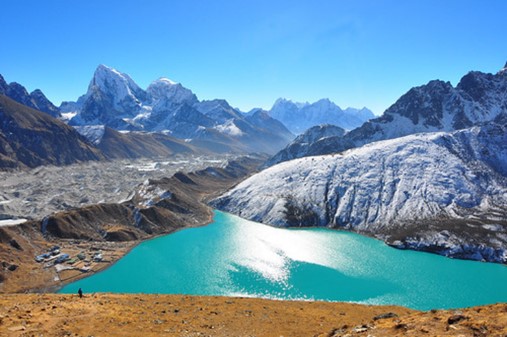
Gokyo lakes and Gokyo Ri

Undoubtedly the most iconic trek in Nepal, the Everest Base Camp Trek is on every adventurer’s bucket list. This challenging but immensely rewarding journey takes you through picturesque Sherpa villages, ancient monasteries, and rugged terrain, ultimately culminating at the foot of the world’s highest peak, Mount Everest. Along the way, you’ll be treated to panoramic views of other majestic peaks, including Lhotse, Nuptse, and Ama Dablam.

Annapurna Circuit Trek:

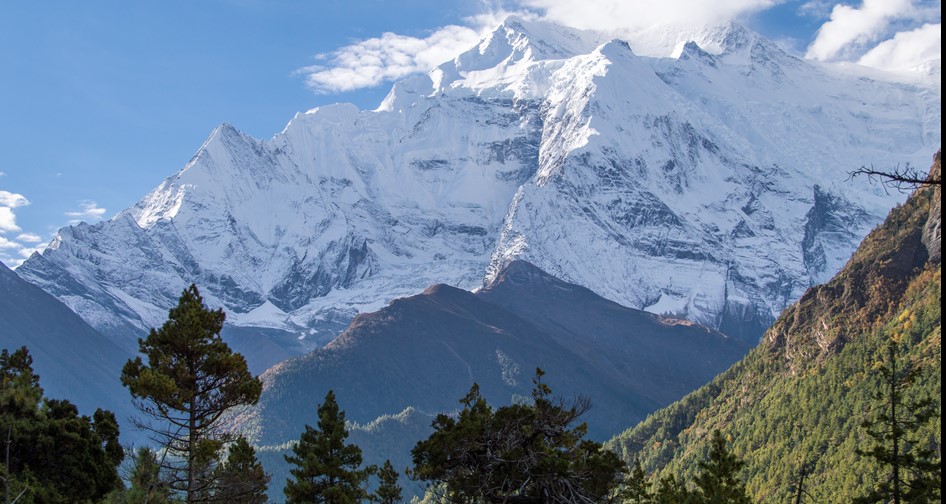
View of Annapurna Massaif from Pisang during Annapurna Circuit trekking 2021
View of Annapurna Massaif from Pisang during Annapurna Circuit trekking

For those seeking a longer and more diverse trekking experience, the Annapurna Circuit Trek is an excellent choice. This classic trail encircles the Annapurna Massif, offering awe-inspiring views of Annapurna I, II, III, and IV, as well as the magnificent Dhaulagiri. The trek takes you through a variety of landscapes, from lush green valleys to arid high-altitude deserts. Along the way, you’ll encounter diverse ethnic communities, such as Gurungs and Thakalis, and have the opportunity to immerse yourself in their rich culture.

Langtang Valley Trek:

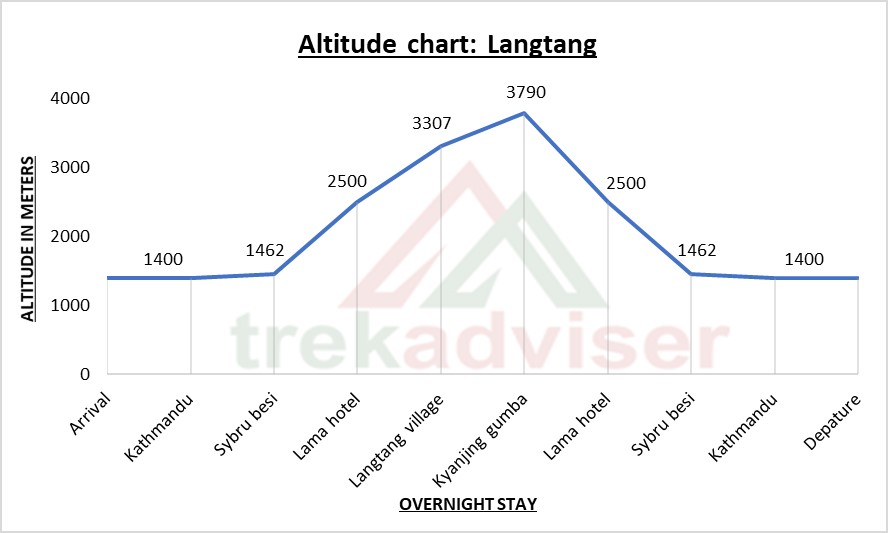
Langtang trekking elevation map 2021
Langtang trekking elevation map

Situated close to Kathmandu, the Langtang Valley Trek is a great option for those with limited time or who prefer a less crowded trail. The trek takes you through the Langtang National Park, known for its pristine forests, glacial lakes, and towering snow-capped peaks. The highlight of the trek is the panoramic view of Langtang Lirung, the highest peak in the region. Additionally, you’ll have the chance to interact with the warm-hearted Tamang people and learn about their unique traditions and customs.

Manaslu Circuit Trek:

Manaslu region trekking in 2021
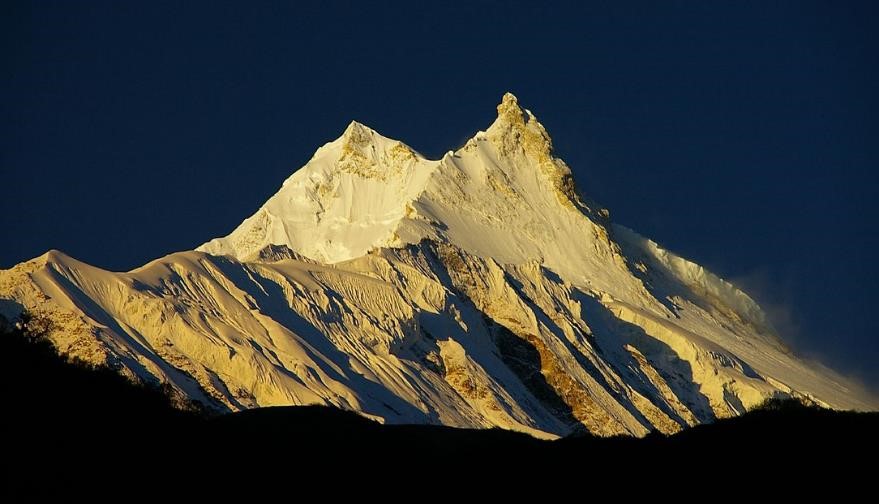
Mt. Manaslu seen during Manaslu Circuit trekking

If you’re seeking a remote and off-the-beaten-path adventure, the Manaslu Circuit Trek is an excellent choice. This challenging trek circles Mount Manaslu, the eighth highest peak in the world, and offers a wilderness experience like no other. The trail takes you through untouched landscapes, ancient Buddhist monasteries, and quaint villages, providing a glimpse into the traditional Tibetan way of life. The highlight of the trek is crossing the challenging Larkya La Pass, which rewards you with breathtaking views of the surrounding Himalayan peaks.

Annapurna Base Camp

Annapurna Base Camp Trek

Annapurna Base Camp trek is one of the most popular moderate nature trekking trails. This trail has been attracting anyone’s attention through its geographic diversity including breathtaking landscape, panoramic view of snow-capped peaks of the great Himalayas such as Annapurna-I (8091 m), Annapurna-II (7937 m), Annapurna-III (7555 m), Dhaulagiri (8167 m), Machhapuchhre (6998 m) and Gangapurna.

Scenic river banks, picturesque forest valley, Hindu and Buddhist temples, culturally rich traditional villages of ethnic communities of Magar, Gurung, Ghale, Thakali, and their hospitality are some of the highlights of this trekking route.The name suggests, the centerpiece of this part of Nepal is the range of mountains that includes Annapurna I, the first of the 8,000 m peaks to be climbed. Also included in this region is yet another 8,000 m giant, Dhaulagiri, which is located west of Annapurna I. Between these two mountains lies the valley of the Kali-Gandaki  River, the deepest gorge in the world.Trekkers encounter the interesting Thakali people in this region. They are known for being good in business ventures and their home cooking is relished by both tourists. Lush view, fertile farmland and undisturbed natural forest, snow-capped mountains, and encounters with a mixture of many ethnic communities, all add up to a diverse range of experiences that make the Annapurna trek one of the most satisfying treks in Nepal.Annapurna region is the most diverse and popular trekking area in Nepal. From the full three-week Annapurna Circuit, which stretches into the historic Mustang region to short three-day treks, Mardi himalPoon hill trek suitable for everyone here.

Conclusion: Trekking in Nepal is a life-changing experience that combines stunning natural beauty with cultural immersion. Whether you choose to embark on the iconic Everest Base Camp Trek, explore the diverse landscapes of the Annapurna Circuit, venture into the serene Langtang Valley, or discover the remote wilderness of the Manaslu Circuit, Nepal’s trekking trails will leave you in awe. So, lace up your boots, pack your backpack, and get ready to embark on an unforgettable journey into the heart of the Himalayas.

Note: When planning a trek in Nepal, it is essential to be well-prepared, choose a reliable trekking agency, and ensure you have the necessary permits and equipment. Additionally, please refer to up-to-date information and consult with local authorities or experienced guides for the latest trekking conditions and safety guidelines.

Annapurna Base Camp Trek: A Journey to Majestic Heights

A Journey to Majestic Height

Introduction:

Nestled amidst the Himalayas in Nepal, the Annapurna Base Camp Trek is a true adventurer’s paradise. With its awe-inspiring landscapes, towering peaks, and cultural experiences, this trek offers an unforgettable journey into the heart of the Annapurna region. In this blog post, we will delve into the highlights of the Annapurna Base Camp Trek and discover why it is considered one of the most captivating treks in the world.

1. Breathtaking Scenery: The Annapurna Base Camp Trek showcases an incredible array of natural beauty. As you embark on this journey, you’ll witness panoramic views of snow-capped peaks, including the magnificent Annapurna Massif and Machapuchare (also known as Fishtail Peak). The trail winds through lush rhododendron forests, cascading waterfalls, and terraced fields, offering a diverse range of landscapes at every turn. The sunrise and sunset views from Poon Hill and Annapurna Base Camp are particularly awe-inspiring, painting the sky with vivid hues and creating a truly magical atmosphere.

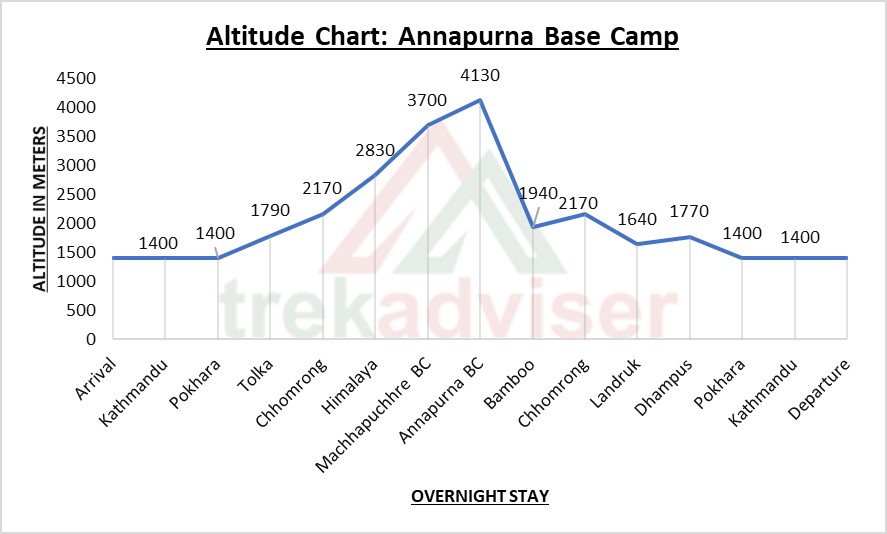
Annapurna Base Camp trek elevation map 2021

2. Cultural Immersion: Along the trekking route, you’ll have the opportunity to encounter the unique cultural heritage of the Annapurna region. The trail passes through traditional Gurung and Magar villages, where you can interact with friendly locals and learn about their way of life. You’ll be welcomed with warm hospitality and have the chance to taste traditional Nepali cuisine. The charming villages of Ghandruk and Chhomrong are among the highlights, where you can witness traditional houses, colorful prayer flags, and ancient monasteries that reflect the rich cultural traditions of the region.

solo trekking to Nepal
solo trek

3. Annapurna Sanctuary: Reaching the ultimate destination of the trek, Annapurna Base Camp, is a truly rewarding experience. Situated at an altitude of 4,130 meters (13,550 feet), the base camp is surrounded by towering peaks, creating a natural amphitheater-like setting. Standing in the heart of the Annapurna Sanctuary, you’ll be surrounded by 360-degree views of pristine Himalayan beauty. The sense of accomplishment and the overwhelming presence of the majestic mountains make this moment unforgettable.

4. Varied Route Options: The Annapurna Base Camp Trek offers various route options, allowing trekkers to choose the duration and difficulty level that suits their preferences. The classic route typically starts from Nayapul, passing through Ghorepani, Tadapani, and Chhomrong before reaching the base camp. Alternatively, a shorter version can be done by flying to Jhinu Danda and trekking directly to the base camp. The trek can be completed in 7-12 days, depending on the chosen itinerary, allowing flexibility for different fitness levels and time constraints.

Annapurna Base Camp Trek

5. Safety and Infrastructure: The popularity of the Annapurna Base Camp Trek has led to the development of a well-established infrastructure along the route. Tea houses and lodges are available at regular intervals, providing comfortable accommodation and delicious meals for trekkers. The well-marked trail and availability of experienced guides and porters ensure a safe and enjoyable trekking experience.

Conclusion: The Annapurna Base Camp Trek is a remarkable journey that combines stunning natural beauty, cultural encounters, and the thrill of reaching the base camp of one of the world’s highest peaks. It is a trek that caters to both seasoned trekkers and beginners, offering a diverse range of experiences that will leave a lasting impression. Embark on this adventure, immerse yourself in the grandeur of the Himalayas, and create memories that will stay with you forever.

Note: Before embarking on any trek, it’s essential to gather updated information, ensure you have the necessary permits, and prepare adequately for the physical demands of the journey. Consulting with experienced trekking agencies and following safety guidelines is highly recommended.

Nepal in 2023: A Traveler’s Paradise

Introduction:

Nepal, a land of mystique and breathtaking beauty, has long captured the imaginations of intrepid travelers from around the world. With its majestic Himalayan peaks, rich cultural heritage, and warm hospitality, Nepal has always been a compelling destination for adventurers. In 2023, Nepal continues to shine as a traveler’s paradise, offering unique experiences and unforgettable memories. In this blog, we will explore why you should consider traveling to Nepal this year and discover the wonders that await you.

Majestic Himalayan Peaks:

Nepal is home to some of the world’s highest peaks, including Mount Everest, the crown jewel of the Himalayas. The allure of these mountains is timeless and continues to draw mountaineers, trekkers, and nature enthusiasts. Whether you’re an experienced climber seeking to conquer the summit of Everest or a casual hiker looking to explore the Annapurna Circuit, Nepal’s mountainous landscapes will leave you awe-inspired.

Rich Cultural Heritage:

Nepal is a melting pot of diverse cultures, and its heritage is deeply rooted in ancient traditions and customs. The Kathmandu Valley, a UNESCO World Heritage Site, is a treasure trove of historical and architectural wonders. Explore the ancient city of Bhaktapur, with its well-preserved temples and palaces, or immerse yourself in the spiritual ambiance of the sacred town of Lumbini, the birthplace of Lord Buddha. Nepal’s festivals and celebrations, such as Dashain and Tihar, offer a unique opportunity to witness vibrant traditions and experience the warmth of Nepali hospitality.

Adventure Sports:

For adrenaline junkies, Nepal offers an array of adventure sports that will get your heart racing. Experience the thrill of white-water rafting in the raging rivers, paraglide over picturesque landscapes, or go bungee jumping from one of the world’s highest natural bungee sites. The diverse terrain of Nepal provides ample opportunities for activities like mountain biking, rock climbing, and canyoning. Whatever adventure sport you choose, Nepal promises an exhilarating experience like no other.

Wildlife and Nature:

Beyond the towering peaks, Nepal is a haven for wildlife enthusiasts and nature lovers. The country boasts a remarkable range of biodiversity, from the dense jungles of Chitwan National Park to the serene beauty of the Annapurna Conservation Area. Embark on a jungle safari and encounter majestic Bengal tigers, one-horned rhinoceros, and various bird species. For a more tranquil experience, go birdwatching in the scenic wetlands of Koshi Tappu, or embark on a nature hike through the lush forests of Langtang National Park.

Sustainable Tourism:

In recent years, Nepal has made significant strides in promoting sustainable tourism practices. The government and local communities are actively involved in preserving the country’s natural and cultural heritage, ensuring that future generations can enjoy its treasures. By traveling to Nepal, you can contribute to local economies, support conservation efforts, and engage in responsible tourism practices that have a positive impact on the environment and local communities.


Nepal’s allure as a travel destination in 2023 is undeniable. Its majestic Himalayan peaks, rich cultural heritage, adventure sports, and abundant wildlife make it a paradise for explorers. By traveling to Nepal, you not only fulfill your own wanderlust but also contribute to the sustainable development of this beautiful nation. In 2023, let Nepal be your destination of choice, where every moment is an opportunity for discovery, adventure, and spiritual awakening.

Travel Nepal 2023: Explore the breathtaking beauty of Nepal as a travel destination. Discover the majestic Himalayan peaks, including Mount Everest, and embark on unforgettable treks. Immerse yourself in the rich cultural heritage of the Kathmandu Valley and witness vibrant festivals. Engage in thrilling adventure sports and experience the adrenaline rush of white-water rafting, paragliding, and more. Encounter diverse wildlife in Chitwan National Park and witness the wonders of sustainable tourism. Make Nepal your bucket list destination in 2023 and create lifelong memories

We are associated and certified with

Government of Nepal

Registered with: Company Registration Office, Government of Nepal

Nepal tourism board

Licensed by: Nepal Tourism Board & Department of Tourism

Nepal Mountaineering Association

General Member of Nepal Mountaineering Association

Trekking Agency's Association of Nepal (TAAN)

Proud Member of Trekking Agency's Association of Nepal