License No: 237321
- Email Support info@trekadviser.com
- 24/7 Phone Support +977 9841784192
- Tripadvisor Certificate of Excellence
License No: 237321
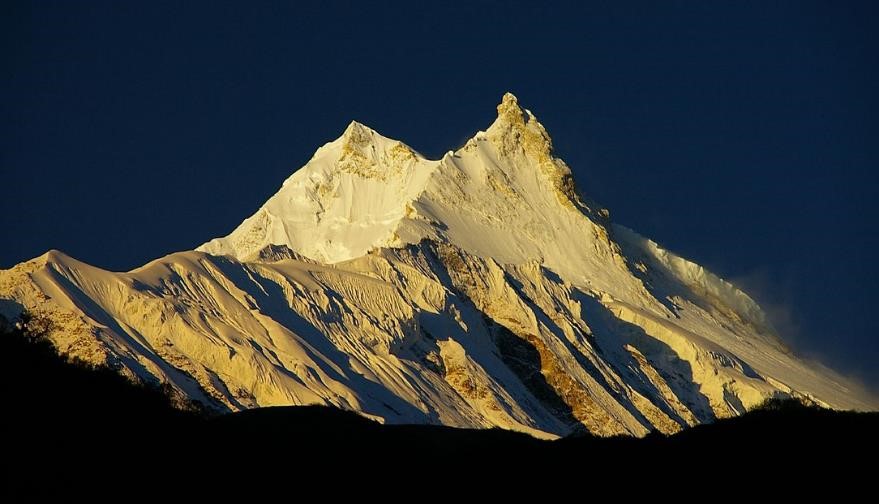
Nepal is more than just the home of Mount Everest. It is a country of ancient mountain culture, hidden Himalayan valleys, dramatic landscapes, and some of the greatest trekking routes on Earth. Every year, thousands of travelers arrive in Nepal searching for adventure, spiritual connection, mountain photography, and unforgettable trekking experiences.
But one important question always comes first:
Should you choose an affordable trekking package or invest in a premium expedition-style experience?
For many trekkers, this decision determines the quality of the entire journey. Some travelers want budget-friendly tea house trekking with local experiences, while others prefer luxury lodges, helicopter returns, private guides, and full expedition support.
In this complete Nepal trekking guide, we compare trekking styles, costs, difficulty levels, best seasons, permits, packing lists, hidden trekking trails, and peak climbing opportunities so you can choose the right Himalayan adventure for 2026 and beyond.
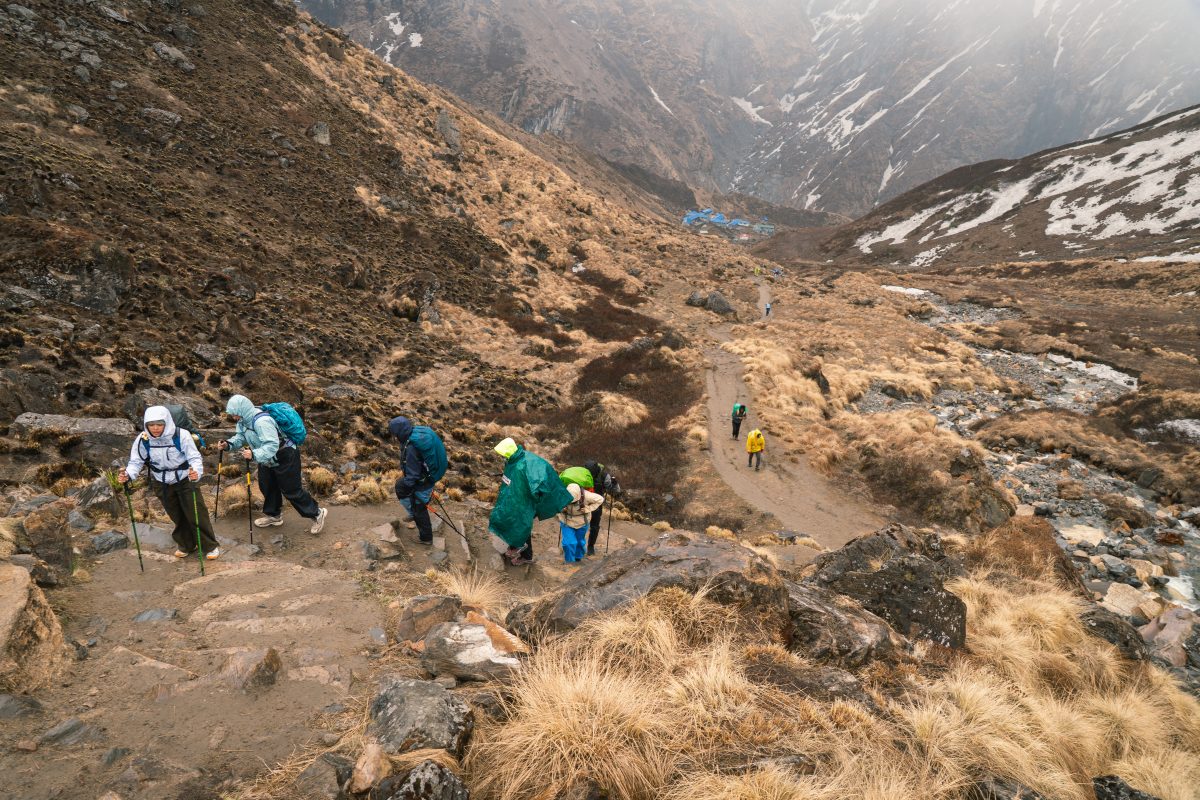 Nepal offers something almost impossible to find anywhere else in the world:
Whether you dream of walking to Everest Base Camp, crossing Thorong La Pass on the Annapurna Circuit, or climbing a 6000m peak, Nepal has routes for beginners, experienced trekkers, and professional climbers alike.
Popular trekking regions include:
Many trekkers now also search for:
Choosing the right trekking style depends on your budget, comfort expectations, fitness level, and travel goals.
Affordable trekking packages are the most popular choice among backpackers, solo travelers, students, and adventure seekers.
These treks usually include:
One of the most iconic trekking experiences in the world. Trekkers walk through Sherpa villages, suspension bridges, and alpine valleys before reaching Everest Base Camp.
$1200 – $1800 USD
12–15 Days
Moderate to Challenging
Spring and Autumn
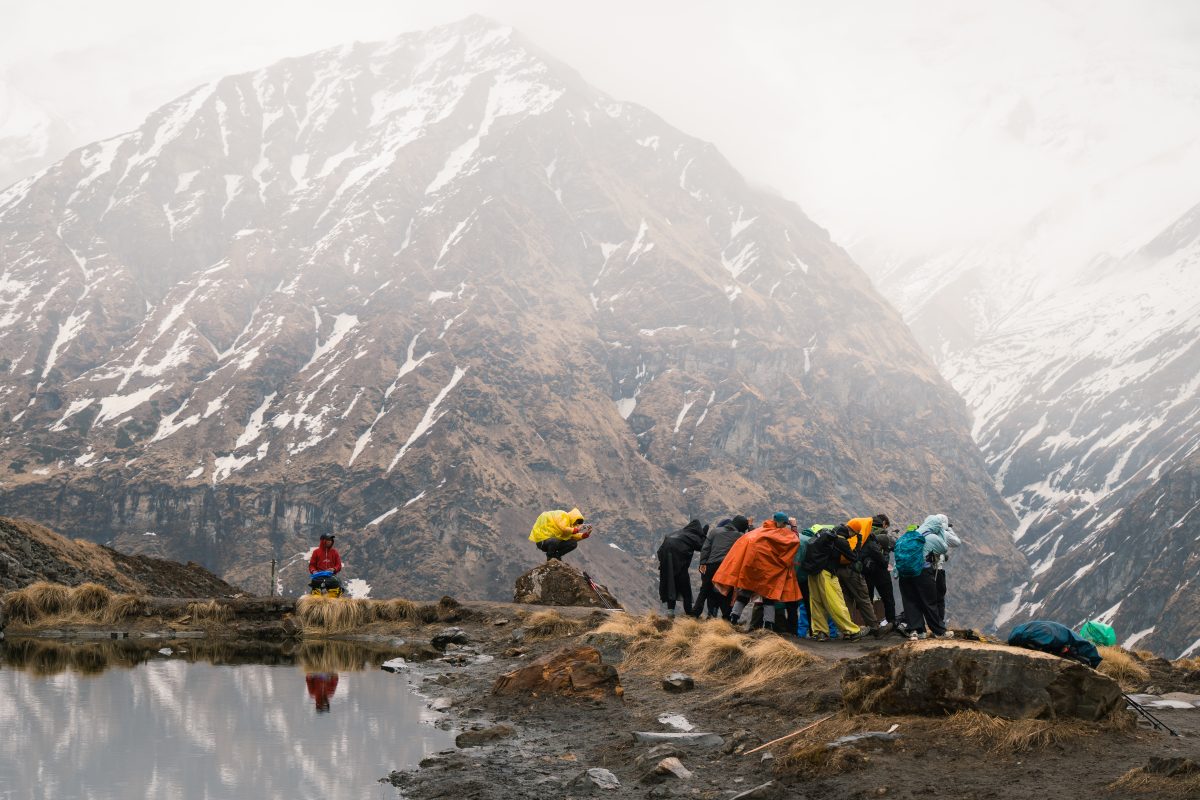 A complete Himalayan journey crossing forests, waterfalls, villages, and the famous Thorong La Pass.
$900 – $1500 USD
12–18 Days
Moderate
March–May and September–November
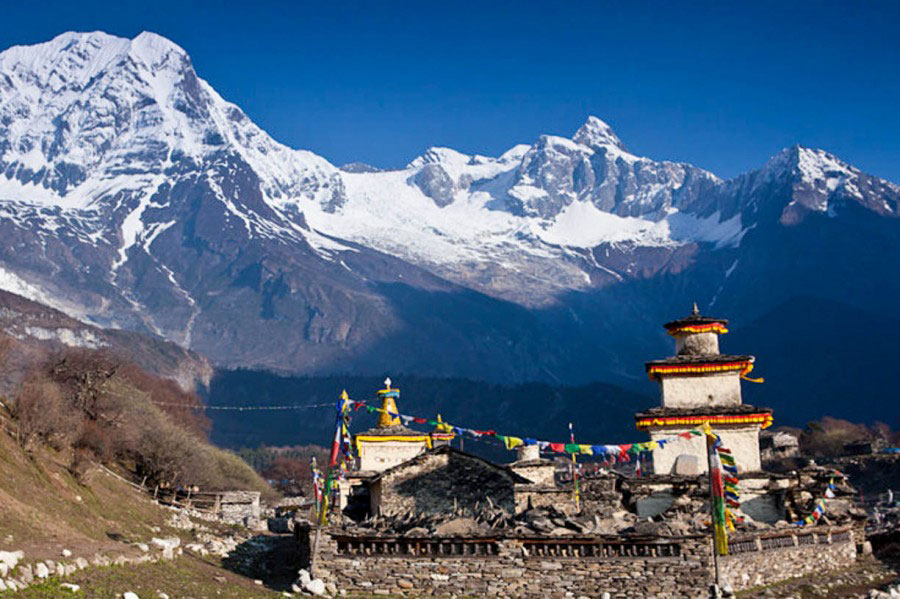 Perfect for trekkers seeking affordable Himalayan scenery close to Kathmandu.
$700 – $1200 USD
7–12 Days
Moderate
Spring and Autumn
Premium trekking packages are designed for travelers wanting extra comfort, personalized service, and enhanced safety.
These packages often include:
Trekkers stay in premium lodges with heated rooms, attached bathrooms, bakeries, and upgraded dining experiences.
$3500 – $7000 USD
Families, photographers, luxury travelers, professionals
A less crowded trekking route offering authentic mountain culture and remote Himalayan scenery.
$2500 – $5000 USD
Moderate to Challenging
Restricted area trekking experience
Many trekkers underestimate Nepal trekking expenses. Here is a realistic cost comparison.
| Trek Type | Budget Range | Mid-Range | Premium |
|---|---|---|---|
| Everest Base Camp | $1200–1800 | $2500 | $7000+ |
| Annapurna Circuit | $900–1500 | $2200 | $4500 |
| Langtang Valley | $700–1200 | $1800 | $3500 |
| Manaslu Circuit | $1600–2500 | $3500 | $5500 |
| Upper Mustang | $2500–3500 | $4500 | $7000 |
Weather plays a massive role in your trekking experience. Choosing the correct season improves safety, visibility, and overall enjoyment.
Autumn is considered the best trekking season in Nepal.
Autumn also offers the best conditions for mountain photography and high-altitude trekking.
Spring is famous for blooming rhododendron forests and warmer temperatures.
Winter trekking is less crowded and ideal for lower-altitude routes.
Most trekking routes receive heavy rain during monsoon, but some hidden regions remain excellent.
Choosing the correct trek based on fitness and experience is essential.
Suitable for beginners and families.
Examples:
Require decent fitness and hiking stamina.
Examples:
High altitude, long walking days, and remote terrain.
Examples:
Packing correctly can completely change your trekking experience.
Most trekking routes require permits.
Used for trekker safety and tracking.
Required for:
Required for Everest region trekking.
Needed for:
Restricted regions require licensed guides and registered trekking companies.
Many trekkers now search for less crowded trekking routes. Nepal still has incredible hidden valleys and remote adventures.
A remote Tibetan-influenced valley with ancient villages and dramatic landscapes.
A beautiful glacial lake route in the Rolwaling region.
One of Nepal’s emerging hidden trekking adventures combining remote mountain culture with untouched Himalayan scenery.
A challenging and adventurous route ideal for experienced trekkers seeking extreme Himalayan landscapes.
Nepal is also famous for trekking peaks above 6000 meters. These climbs are perfect for trekkers wanting to enter the world of mountaineering.
One of Nepal’s most popular beginner climbing peaks.
6,189m
Moderate to Challenging
Spring and Autumn
A more technical climbing experience with incredible Everest region scenery.
Experienced trekkers wanting alpine climbing experience
The highest trekking peak in Nepal with stunning views of Everest, Makalu, Lhotse, and Kanchenjunga.
6,476m
Moderate
A beautiful climbing peak in the Annapurna region offering less crowded alpine experiences.
In October, a small group of trekkers arrived in Kathmandu with one shared dream — to stand beneath the towering Himalayan giants.
Some had never trekked above 3000 meters before.
Others were experienced hikers searching for something deeper than adventure.
The team began their journey through the narrow mountain trails of the Khumbu region. Every day brought new challenges: steep climbs, freezing mornings, thin air, and unpredictable mountain weather.
One evening in Dingboche, heavy snow began falling unexpectedly. Visibility disappeared, temperatures dropped rapidly, and the team questioned whether they could continue safely.
Their local guide remained calm.
Instead of rushing forward, the itinerary was adjusted for acclimatization. The group spent extra time resting, hydrating, and adapting to altitude.
Two days later, the skies cleared.
Ama Dablam appeared glowing above the valley, and the team continued slowly toward Everest Base Camp.
When they finally reached base camp, nobody celebrated loudly.
Most stood silently.
For many, the moment was emotional beyond words.
The mountains had tested their patience, mindset, fitness, and determination. But the experience gave them something much greater than a trekking achievement.
It gave them perspective.
That is the true magic of trekking in Nepal.
Booking with a local trekking company offers several advantages:
Local operators also help create sustainable tourism that directly benefits Himalayan families and villages.
Companies like Trek Adviser Pvt Ltd specialize in trekking, peak climbing, expeditions, and off-road Himalayan adventures across Nepal.
Nepal offers trekking experiences for every type of adventurer.
Whether you choose:
the Himalayas will leave a lasting impact on your life.
The key is choosing the right trek, season, preparation, and local support team.
For 2026, trekking trends are shifting toward:
And Nepal remains at the center of it all.


