
Planning a trek in Nepal? Learn the difference between booking with a professional trekking company and hiring an independent trekking guide, including safety, permits, logistics, guides, porters and emergency support
Why Choose a Trekking Company in Nepal Instead of an Independent Trekking Guide?
Planning a trek in Nepal? Learn the difference between booking with a professional trekking company and hiring an independent trekking guide, including safety, permits, logistics, guides, porters and emergency support.
Nepal is one of the world's most popular destinations for Himalayan trekking. From the Everest Base Camp Trek and Annapurna Base Camp Trek to the remote Manaslu Circuit, Nar Phu Valley, Upper Mustang and Dhaulagiri, Nepal offers trekking experiences for different levels of fitness, experience and adventure.
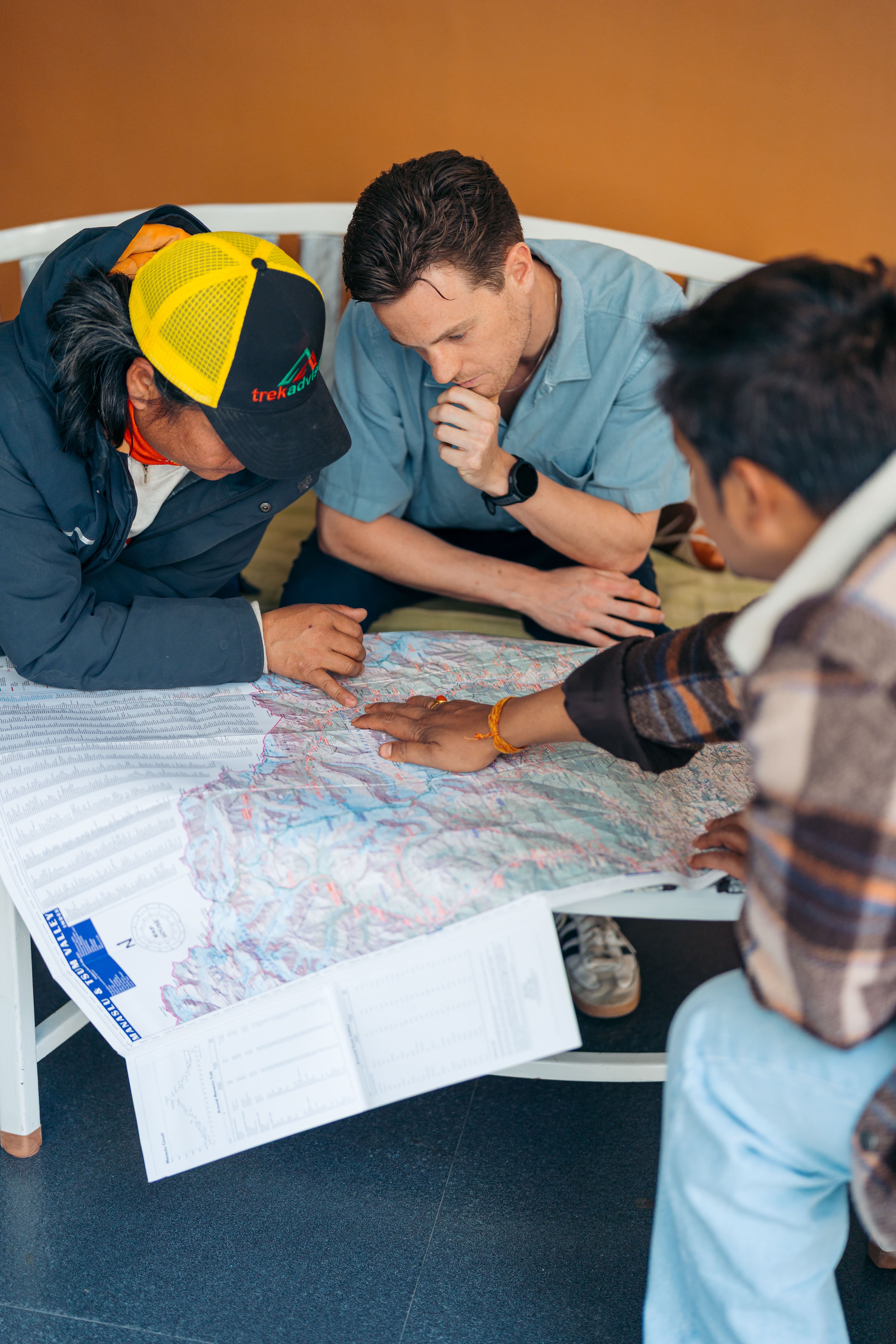
One important decision every traveler needs to make before starting a trek is:
Should you book with a professional trekking company in Nepal or hire an independent trekking guide?
An experienced independent guide can provide excellent local knowledge and personal service. However, a professional trekking company can provide additional support with permits, transportation, accommodation, porters, safety, emergency coordination and trip planning.
Understanding the difference can help you choose the right option for your Nepal trekking adventure.
Trekking Company vs. Trekking Guide: What Is the Difference?
A trekking guide is the professional who accompanies you on the trail. Your guide helps with navigation, daily trekking arrangements, local information, communication and safety.
A professional trekking company in Nepal organizes and manages the wider trekking experience. Depending on the itinerary and package, this can include:
- Trekking guides
- Porters
- Trekking permits
- TIMS and conservation permits
- Domestic flights
- Ground transportation
- Accommodation
- Meals
- Airport transfers
- Trekking equipment
- Pre-trek preparation
- Emergency support
In simple terms:
Your guide takes care of you on the trail, while the trekking company coordinates the wider journey and provides support behind the scenes.
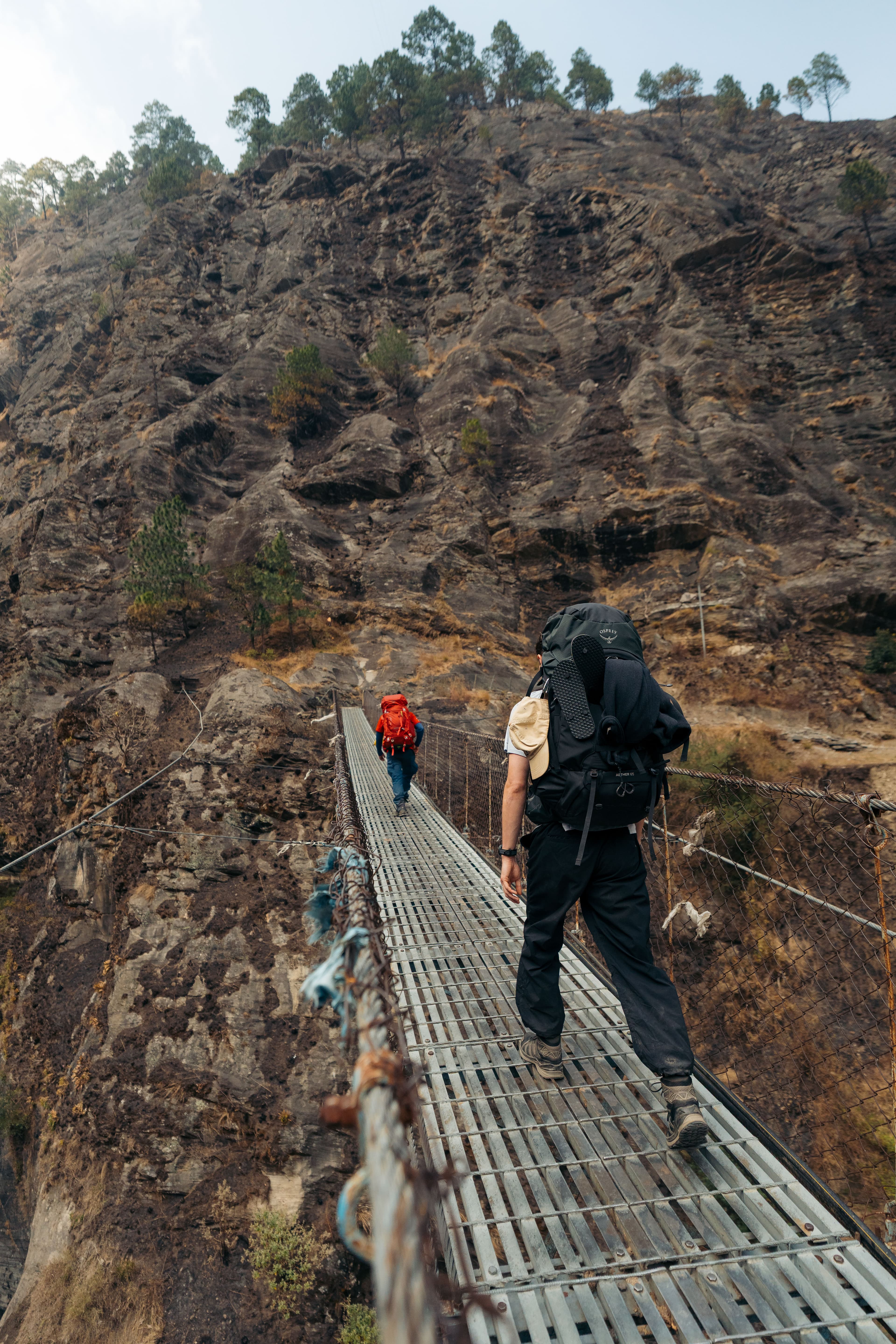
For many travelers, especially those planning high-altitude or remote treks, having both can provide a more comprehensive trekking experience.
1. Professional Trekking Companies Provide Complete Trek Planning
A Himalayan trek involves much more than walking.
Depending on your destination, you may need to organize permits, accommodation, transportation, domestic flights, meals, porters and other logistics.
A professional Nepal trekking company can coordinate these services before and during your trek.
This can be particularly useful for international travelers who are visiting Nepal for the first time.
Instead of arranging every part of your trip separately, you can have one local company coordinate the major components of your journey.
2. Help Before You Arrive in Nepal
Your trekking experience begins before you reach the Himalayas.
A professional trekking company can help you prepare for your trip by providing information about:
- Best time to trek in Nepal
- Trekking permits
- Required equipment
- Trekking boots and clothing
- Physical preparation
- Altitude acclimatization
- Travel insurance
- Domestic flights
- Transportation
- Accommodation
- Current trail conditions
Having local support before you arrive can make your preparation easier and help you understand what to expect.
3. Trekking Permits and Local Regulations
Different trekking regions in Nepal have different permit and entry requirements.
Depending on your destination, you may need:
Remote destinations such as Manaslu, Nar Phu and Upper Mustang have different requirements from many of Nepal's more accessible trekking routes.
A professional trekking company can help arrange the applicable permits and explain the requirements before your trek begins.
Travelers should always confirm current regulations because government requirements can change.
4. Safety and Emergency Support
Mountain trekking involves risks that cannot always be predicted.
Weather can change quickly. Trails can be affected by landslides, heavy rain or snowfall. Travelers can also experience injuries, altitude-related problems or transportation disruptions.
Your trekking guide is your primary support on the trail.
However, a professional trekking company can provide an additional support network from its office.
If an emergency occurs, the company may help coordinate:
- Communication with the trekking guide
- Medical assistance
- Emergency transportation
- Helicopter evacuation arrangements
- Insurance communication
- Alternative accommodation
- Transportation changes
- Communication with family or emergency contacts
A trekking company cannot eliminate the risks of Himalayan trekking, but an established local support network can help manage unexpected situations.
5. What Happens If Your Trekking Guide Becomes Sick?
This is an important question that many travelers don't consider.
Imagine your guide becomes sick or is unable to continue the trek.
If you have arranged everything independently, finding another qualified guide may become your responsibility.
When you book through an established trekking company, the company may have other guides or staff who can help manage the situation.
This can be particularly important on long, remote or high-altitude treks.
6. Experienced Local Trekking Guides
Choosing a trekking company does not mean losing the personal experience of having a llocal guide.
A reputable trekking company should provide experienced guides who understand the routes they operate.
A professional Nepal trekking guide can help with:
- Navigation
- Trekking pace
- Altitude management
- Weather awareness
- Local culture
- Mountain safety
- Accommodation
- Communication with local communities
- Daily itinerary management
Your guide is the person you spend most of your trekking days with, so experience, communication and professionalism are important.
7. The Right Guide for the Right Trek
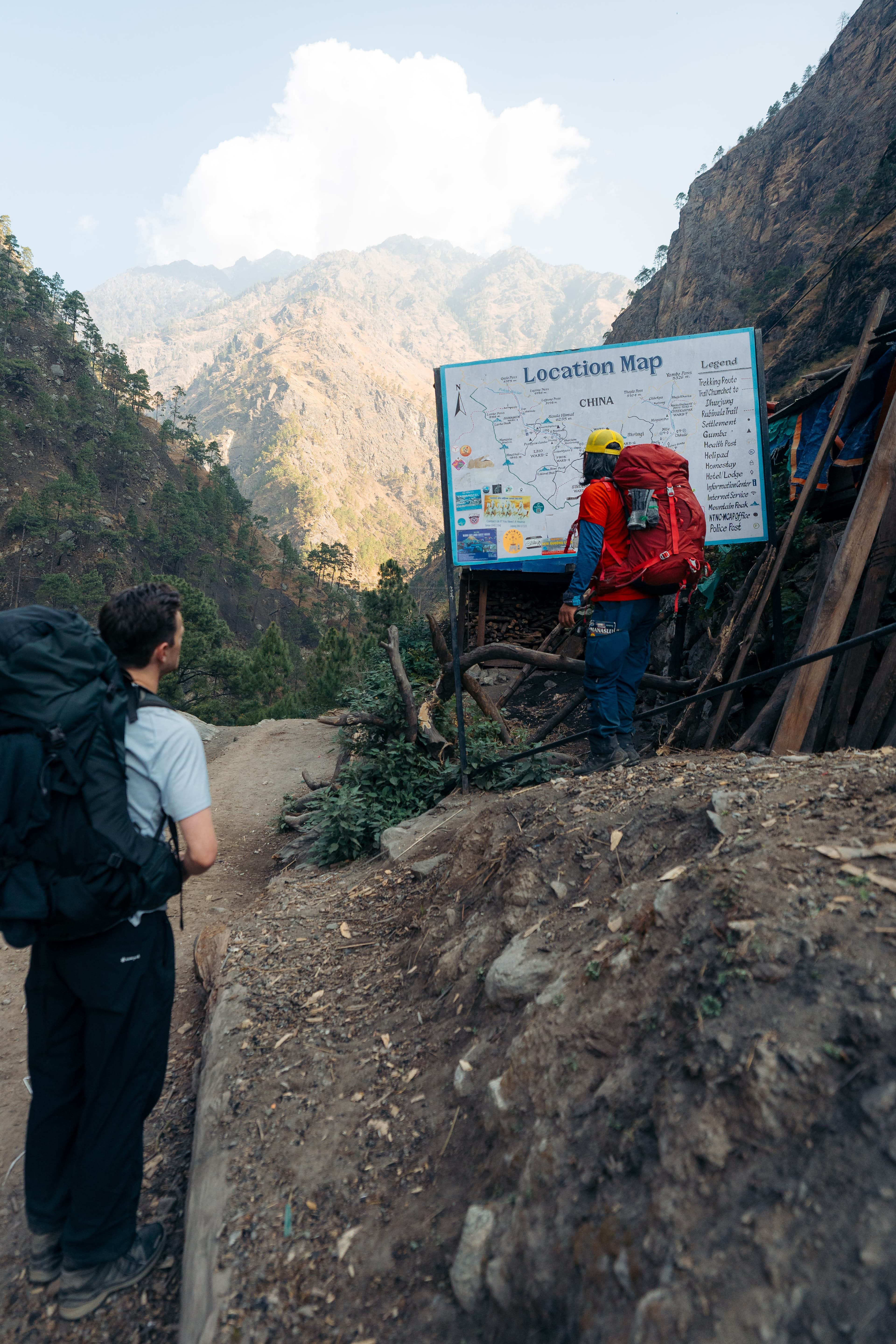
Every trekking route in Nepal is different.
A relatively easy cultural trek requires different experience from a high-altitude route crossing difficult mountain passes.
A professional trekking company can match guides with the type of trek and group.
For example, guides operating:
- Everest Base Camp
- Everest Three Passes
- Manaslu Circuit
- Nar Phu Valley
- Upper Mustang
- Dhaulagiri
- Peak climbing routes
may have different experience depending on the terrain, altitude and technical requirements.
A company can also consider group size, language, fitness level and specific traveler requirements when assigning guides.
8. Porter Arrangements and Responsible Trekking
Porters play an important role in Nepal's trekking industry.
If you need a porter, a trekking company can arrange the service and establish clear responsibilities regarding:
- Load limits
- Accommodation
- Meals
- Equipment
- Payment
- Insurance
- Working conditions
When choosing a trekking company in Nepal, ask about its policies for guides and porters.
Responsible trekking should benefit both travelers and the local people who make Himalayan tourism possible.
9. Transportation and Domestic Flight Support
Many Nepal trekking routes involve domestic flights or long road journeys.
Depending on your itinerary, you may need:
- Kathmandu airport transfers
- Ramechhap transfers
- Lukla flights
- Domestic flights
- Jeep transportation
- Local buses
- Road transfers
Mountain flights can sometimes be affected by weather.
A local trekking company can help travelers understand their transportation options and make alternative arrangements when circumstances change.
10. Professional Support for Remote Trekking in Nepal
Remote trekking requires additional planning.
Routes such as Manaslu, Nar Phu, Dhaulagiri, Kanchenjunga, Makalu and Dolpo can have limited transportation, medical facilities and communication compared with more popular trekking destinations.
A professional trekking company familiar with these regions can help travelers prepare for the conditions and coordinate the logistics required for the journey.
For remote Himalayan trekking, preparation is an important part of safety.
11. Clear Trekking Costs and Inclusions
When comparing a trekking company with an independent guide, don't compare only the daily guide price.
Look at the complete trekking cost and what is included.
Ask whether your package includes:
- Trekking guide
- Porter
- Accommodation
- Meals
- Permits
- Transportation
- Domestic flights
- Airport transfers
- Government taxes
- Service charges
- Equipment
A cheaper guide rate may not mean a cheaper overall trek if you need to arrange additional services separately.
A professional trekking company should provide a clear itinerary with detailed inclusions and exclusions.
12. Responsible and Sustainable Trekking
Choosing a trekking company is also an opportunity to support responsible tourism in Nepal.
Before booking, ask how the company works with:
- Local guides
- Porters
- Tea houses
- Local communities
- Conservation areas
- Local businesses
- Waste-management initiatives
Responsible trekking helps ensure that tourism contributes to the communities along Nepal's trekking routes.
Can You Hire an Independent Trekking Guide in Nepal?
Yes.
An independent trekking guide can be a suitable option for experienced travelers who understand Nepal, know the route and are comfortable arranging some aspects of their journey themselves.
An independent guide can offer:
- Personal service
- Direct communication
- Local knowledge
- Flexible arrangements
However, travelers should check the guide's qualifications, experience and the current requirements for their chosen trekking route.
The important question is not simply whether you choose a company or an individual guide.
The important question is what level of support and responsibility you are receiving.
When Should You Choose a Trekking Company in Nepal?
A professional trekking company may be particularly useful if you are:
- Trekking in Nepal for the first time
- Traveling internationally
- Trekking at high altitude
- Visiting a remote Himalayan region
- Traveling with family
- Traveling as a group
- Planning a long trek
- Taking domestic flights
- Planning peak climbing
- Looking for a customized itinerary
- Concerned about emergency support
For these types of journeys, having an experienced trekking guide backed by a professional local company can provide a broader support system.
Questions to Ask Before Booking a Trekking Company
Before booking your Nepal trek, ask:
Is the company legally registered?
Check the company's registration and relevant tourism licence.
Is the trekking guide experienced?
Ask about the guide's experience on your specific route.
What permits are included?
Ask exactly which permits and fees are included in your package.
What is included in the trekking price?
Request a written list of inclusions and exclusions.
What happens if my flight is cancelled?
Ask how the company handles weather-related flight delays and cancellations.
What happens if I become sick?
Ask about emergency procedures and medical support.
Are guides and porters insured?
Ask what insurance arrangements are in place.
Who can I contact during the trek?
Make sure you have a reliable emergency and office contact.
Trekking Company vs. Independent Guide
Service | Professional Trekking Company | Independent Trekking Guide |
|---|---|---|
Local trekking guide | ✓ | ✓ |
Local knowledge | ✓ | ✓ |
Trek planning | ✓ | ✓ |
Permit assistance | ✓ | Depends |
Accommodation coordination | ✓ | Depends |
Transportation coordination | ✓ | Depends |
Porter arrangements | ✓ | Depends |
Office support | ✓ | Usually limited |
Emergency coordination | ✓ | Depends |
Backup guide | Often available | Usually limited |
Customized itinerary | ✓ | ✓ |
Group departures | ✓ | Depends |
Peak climbing support | Often available | Depends on guide |
Services vary between companies and guides, so always confirm the exact arrangements before booking.
Why Choose Trekadviser for Trekking in Nepal?
Trekadviser is a local trekking company in Nepal providing trekking, tours, peak climbing and expedition services across the Himalayas.
Our team combines experienced local trekking guides with office-based support to help travelers plan and complete their journeys safely and responsibly.
From your first enquiry, we can assist with:
- Trek planning
- Itinerary design
- Permits
- Transportation
- Accommodation
- Trekking guides
- Porters
- Equipment information
- Airport transfers
- Emergency coordination
Our trekking routes include popular and remote destinations across Nepal, including Everest, Annapurna, Manaslu, Langtang, Mustang, Dolpo, Kanchenjunga, Makalu and Dhaulagiri.
We believe in quality over quantity, responsible tourism, transparent service and putting safety first.
Final Thoughts
Choosing between a professional trekking company and an independent trekking guide depends on your experience, trekking route and the level of support you want.
An experienced independent guide can provide personal service and valuable local knowledge.
A professional trekking company can provide the guide while also coordinating permits, transportation, accommodation, porters, logistics and additional support.
For many international travelers, especially those planning remote or high-altitude trekking in Nepal, combining an experienced local guide with the support of a professional trekking company can provide a practical and organized way to experience the Himalayas.
Before booking, compare the complete service—not just the price of the guide.
Your Himalayan adventure deserves careful planning, experienced people and reliable local support.
Trekadviser — Where Trails Become Stories.
Frequently Asked Questions
Is it better to choose a trekking company or a trekking guide in Nepal?
It depends on your trek and the level of support you need. An independent guide may suit experienced travelers who want a simple and personal arrangement. A professional trekking company can provide additional assistance with permits, transportation, accommodation, porters and emergency coordination.
Do trekking companies provide professional guides?
Yes. A reputable trekking company should provide experienced local guides appropriate for the trekking route and group.
Is a trekking company more expensive than an independent guide?
Not necessarily. Compare the total package and services included. A guide's daily rate may not include permits, accommodation, transportation, porters or other trekking expenses.
Do I need a trekking company to trek in Nepal?
Requirements vary by trekking route and current regulations. Some routes have specific requirements regarding guides, permits and trekking agencies. Always check the current requirements for your destination.
What is the advantage of a local trekking company in Nepal?
A local company can provide direct access to people who understand Nepal's trekking routes, local communities, transportation, weather, regulations and mountain conditions.
How do I choose a reliable trekking company in Nepal?
Check its legal registration, tourism licence, reviews, guide experience, office/contact information, itinerary, inclusions, cancellation policy, insurance requirements and emergency-support procedures.
Written by Anil Budhathoki
Founder & Managing Director, Trekadviser
Licensed Trekking Guide | Nepal
Anil has experience working with international travelers and coordinating trekking services in Nepal, including guides, porters, permits, transportation and trekking logistics.