
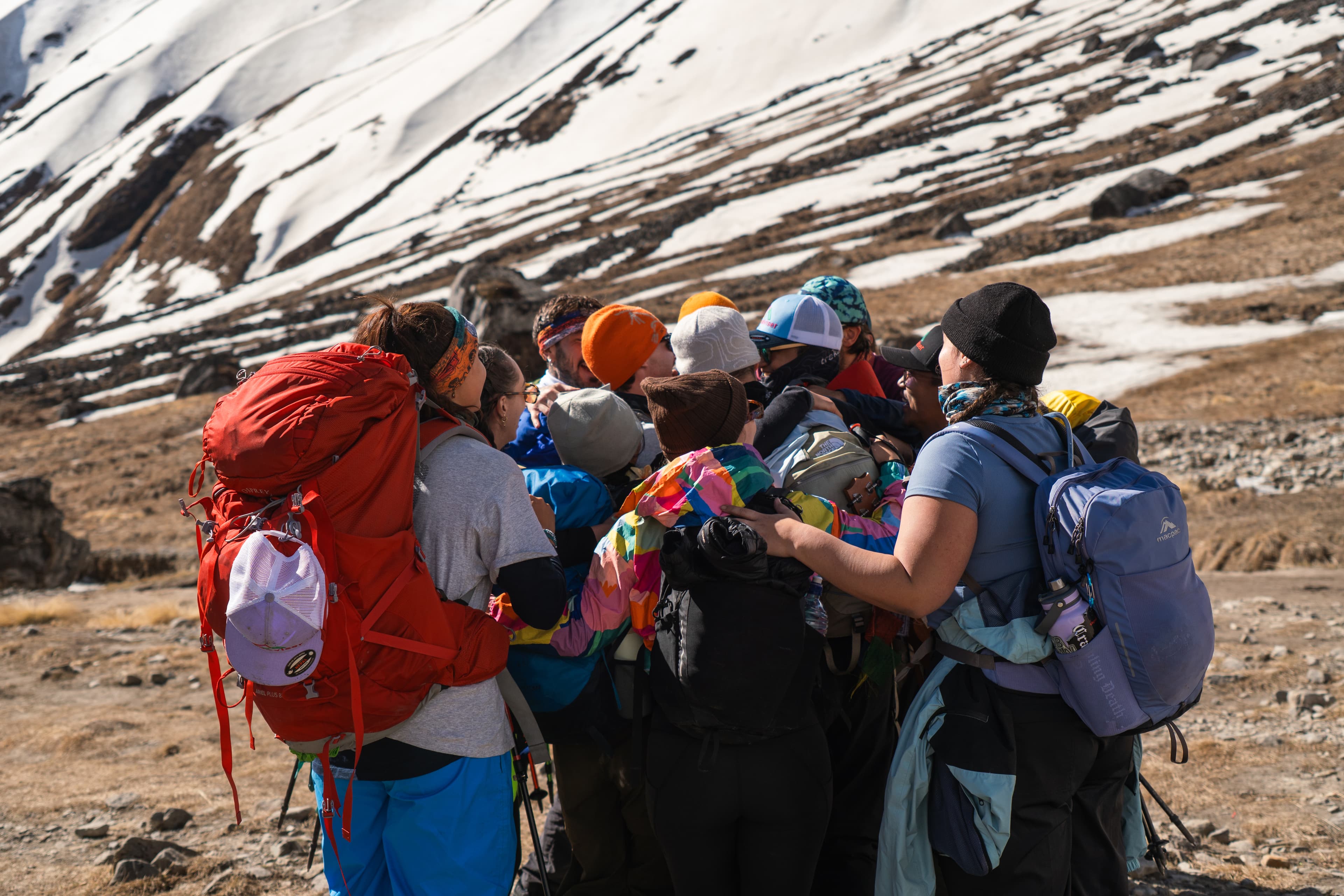
Is Nepal safe to visit after the recent floods? Discover the latest 2026 travel situation, safe trekking regions, routes requiring caution and responsible travel advice.
Is Nepal Safe to Visit After the Recent Floods? A 2026 Travel and Trekking Guide
Updated: September 5, 2026
Nepal remains open to international visitors following the severe floods and landslides that affected parts of the country in late August 2026. While several communities and transport corridors have suffered significant damage, the impact has been geographically concentrated and does not represent conditions across the whole of Nepal.
For travelers planning a visit this autumn, the most important consideration is not whether Nepal as a whole is “safe” or “unsafe.” Instead, travelers should understand which destinations are currently accessible, which routes require additional caution, and where conditions remain unsuitable for travel.
At Trekadviser, we believe responsible tourism begins with accurate information. Our priority is to help travelers make informed decisions while respecting the communities affected by the recent disaster.
The Current Situation in Nepal
Nepal experienced severe flooding and landslides following intense rainfall and a major flood event in the northern part of the country. Some locations along the Trishuli and Bhote Koshi corridors, particularly in and around Rasuwa, experienced extensive damage to roads, bridges, settlements and other infrastructure.
Recovery and reconstruction efforts are continuing.
However, Nepal extends across a vast and geographically diverse landscape. The areas affected by the recent disaster represent only a portion of the country, and many of Nepal's principal tourism and trekking destinations are located well away from the most severely affected corridors.
The Nepal Tourism Board continues to provide updates and assistance to travelers, while tourism activities in many parts of the country continue.
This distinction is important for anyone considering a trip to Nepal.
A localized natural disaster does not mean that every trekking region in Nepal is affected.
Is Nepal Safe to Visit Right Now?
Nepal remains open, but travelers should make destination-specific decisions.
Many popular tourist destinations and trekking regions continue to receive visitors. Kathmandu remains the principal international gateway, while Pokhara continues to serve as a major base for trekking in the Annapurna region.
The Everest region, Annapurna region, Mustang and several other Himalayan destinations are geographically separate from the areas most severely affected by the recent floods.
Nevertheless, travelers should understand that mountain travel always carries an element of risk, particularly during periods of unstable weather.
Heavy rainfall can cause:
- Landslides
- Road closures
- Bridge damage
- Flight delays
- Trail erosion
- Changes to transportation schedules
- Temporary disruption to accommodation and services
For this reason, a route that was accessible yesterday may require reassessment tomorrow.
At Trekadviser, we recommend checking current local conditions immediately before departure rather than relying solely on information published weeks or months earlier.
Where Can You Trek in Nepal Now?
Nepal continues to offer a remarkable range of trekking experiences, from relatively accessible Himalayan routes to remote high-altitude expeditions.
The following destinations can be considered for the 2026 autumn trekking season, subject to current trail, transportation, weather and local authority checks.
Everest Base Camp Trek
The Everest Base Camp Trek remains Nepal's most internationally recognized trekking journey.
The classic route travels through the Khumbu region, home to Sherpa communities, Buddhist monasteries and some of the world's highest peaks.
The journey typically includes:
- Lukla
- Phakding
- Namche Bazaar
- Tengboche
- Dingboche
- Everest Base Camp
- Kala Patthar
The Everest region is geographically distant from the principal areas affected by the recent floods and remains one of the key destinations for the autumn trekking season.
Beyond reaching Everest Base Camp itself, the journey provides an opportunity to experience Sherpa culture and the unique mountain environment of the Khumbu.
Best suited for: travelers seeking a classic Himalayan experience, first-time high-altitude trekkers and experienced adventurers.
Annapurna Base Camp Trek
The Annapurna Base Camp Trek is one of Nepal's most accessible classic Himalayan journeys.
The trail passes through subtropical forests, terraced farmland, traditional mountain villages and the dramatic landscapes of the Annapurna Sanctuary.
As the trail gains elevation, the surrounding mountains become increasingly dominant, culminating in spectacular views of Annapurna I, Annapurna South, Machhapuchhre and Hiunchuli.
The Annapurna region is separate from the main areas affected by the recent northern floods and remains an important trekking destination.
Its relatively shorter duration also makes it particularly attractive to travelers who want a Himalayan experience without committing to a three-week expedition.
Best suited for: first-time trekkers, active travelers, photographers and visitors with limited time.
Annapurna Circuit Trek
For travelers looking for greater geographical and cultural diversity, the Annapurna Circuit remains one of Nepal's classic long-distance treks.
The route travels through dramatically different environments, from lower Himalayan valleys to high-altitude landscapes surrounding the Thorong La Pass.
One of the defining features of the circuit is its diversity:
Different landscapes. Different communities. Different climates. One extraordinary journey.
Because portions of the circuit involve road transportation and lower-elevation mountain corridors, travelers should obtain current information about road and trail conditions before departure.
Manaslu Circuit Trek
The Manaslu Circuit offers a more remote alternative to Nepal's better-known trekking routes.
The trail circles Mount Manaslu, the world's eighth-highest mountain, and travels through culturally rich Himalayan communities before crossing the challenging Larkya La Pass.
Manaslu is particularly appealing to travelers who want:
- Fewer crowds
- Remote mountain villages
- Tibetan-influenced Buddhist culture
- High-altitude landscapes
- A challenging Himalayan experience
The recent flood disaster was concentrated elsewhere; however, access to Manaslu involves mountainous roads that can be affected by seasonal weather.
Route access should therefore be verified immediately before each departure.
For this reason, responsible trekking operators should monitor conditions continuously rather than treating the route as permanently “open” or “closed.”
Upper Mustang Trek
Upper Mustang offers a completely different Himalayan experience.
Situated in the rain shadow of the Annapurna and Dhaulagiri ranges, Mustang is characterized by dramatic cliffs, barren landscapes, ancient settlements and a distinctive Tibetan-influenced culture.
The historic walled city of Lo Manthang is one of the region's principal attractions.
For travelers looking beyond the classic Everest and Annapurna routes, Upper Mustang provides an opportunity to experience a quieter and culturally distinctive side of Nepal.
Kanchenjunga Trek
Eastern Nepal's Kanchenjunga region is one of the country's most remote trekking destinations.
The area is dominated by Mount Kanchenjunga, the world's third-highest mountain, and offers a combination of wilderness, high-altitude landscapes and diverse local cultures.
Kanchenjunga is best suited to travelers with sufficient time, good physical preparation and an appetite for remote trekking.
Because emergency services and infrastructure are more limited in remote regions, careful preparation and professional local support are particularly important.
Makalu and Dolpo
For experienced trekkers, Makalu and Dolpo provide some of Nepal's most remote wilderness experiences.
These regions are less developed for mass tourism and offer an opportunity to experience Nepal away from its busiest trekking corridors.
However, remoteness also means greater logistical complexity.
Travelers should plan permits, transportation, accommodation, guides, emergency arrangements and weather contingencies carefully.
What About Langtang?
Travelers should exercise particular caution with Langtang at present.
The wider Rasuwa and Trishuli corridor was among the areas seriously affected by the recent disaster. Because access to the Langtang region is connected to this wider transportation network, travelers should not assume that normal access conditions have returned simply because other parts of Nepal are operating normally.
Before booking or departing for Langtang, travelers should obtain current confirmation regarding:
- Road access
- Bridges
- Trail conditions
- Accommodation
- Local authority guidance
- Emergency access
- Current transportation arrangements
Until reliable, current information confirms normal operations, travelers may wish to consider alternative trekking regions.
Should You Cancel Your Trip to Nepal?
For travelers visiting unaffected destinations, the recent floods do not automatically mean that an entire trip to Nepal should be cancelled.
Instead, consider adapting your itinerary based on current conditions.
If your planned trekking region is open, transportation is operating and local authorities and your trekking operator have confirmed the route, travel can continue with appropriate precautions.
At the same time, travelers should remain flexible.
A responsible trekking company should be prepared to:
- Adjust transportation
- Modify itineraries
- Change trekking routes
- Delay departures when necessary
- Recommend alternative destinations
- Prioritize traveler safety over maintaining an original itinerary
At Trekadviser, we believe no itinerary is more important than the safety of our guests, guides, porters and local communities.
Responsible Travel in Nepal After the Floods
Traveling to Nepal at this time can also be an opportunity to support communities whose livelihoods depend heavily on tourism.
Tourism supports an extensive local economy involving:
- Trekking guides
- Porters
- Hotels and teahouses
- Restaurants
- Drivers
- Local producers
- Small businesses
- Mountain communities
When visitors travel responsibly through unaffected regions, their spending helps sustain employment and local businesses.
However, responsible tourism also means understanding where not to travel.
Do not enter disaster-affected areas simply to take photographs or videos.
Communities recovering from loss and destruction deserve privacy, dignity and practical support—not additional pressure from visitors.
How to Prepare for Trekking in Nepal in 2026
1. Check conditions before departure
Weather and infrastructure conditions can change rapidly in the Himalayas.
Always obtain a current update before starting your trek.
2. Choose a reputable local trekking company
A professional local operator can monitor conditions on the ground and coordinate guides, transportation and accommodation.
3. Trek with an experienced guide
Local guides understand the terrain, weather patterns, villages and potential hazards far better than most independent visitors.
4. Purchase appropriate travel insurance
Your policy should cover the activities and altitude included in your itinerary and provide appropriate emergency assistance.
5. Prepare for delays
Even on open routes, weather and mountain conditions can cause changes to flights, roads and trekking schedules.
Flexibility is part of responsible Himalayan travel.
6. Follow local instructions
If local authorities, guides or communities advise travelers not to use a particular road or trail, follow their guidance.
Why We Believe Nepal Should Still Be Visited
Nepal's mountains remain where they have always been.
Its trails remain extraordinary.
Its communities remain welcoming.
Its culture remains deeply rooted.
And its tourism industry continues to provide livelihoods for thousands of people.
The recent disaster has caused tremendous suffering, and the affected communities deserve our attention and support.
But Nepal is not defined by one disaster.
It is a country of mountains, valleys, forests, rivers, cultures and communities spread across an extraordinary geographical landscape.
For travelers whose chosen destination is operating safely, visiting Nepal can be both an unforgettable personal experience and a meaningful contribution to the local economy.
Nepal Is Open. Travel Responsibly.
If you are planning to trek in Nepal this autumn, don't ask only:
“Is Nepal safe?”
Ask:
“Is my destination accessible?”
“Are the roads and trails currently operating?”
“What are the latest local conditions?”
“Am I traveling responsibly?”
Those are the questions that lead to better decisions.
At Trekadviser, we continue to monitor trekking conditions and work with our local guides and partners to provide travelers with responsible, transparent and up-to-date information.
Whether you are planning Everest Base Camp, Annapurna Base Camp, the Annapurna Circuit, Manaslu Circuit, Upper Mustang or another Himalayan adventure, our team can help you select an itinerary based on current conditions, your experience and your travel goals.
Travel with confidence.
Travel with respect.
Travel that cares.
Trekadviser — Your Fair, Trustworthy and Responsible Travel Companion.