
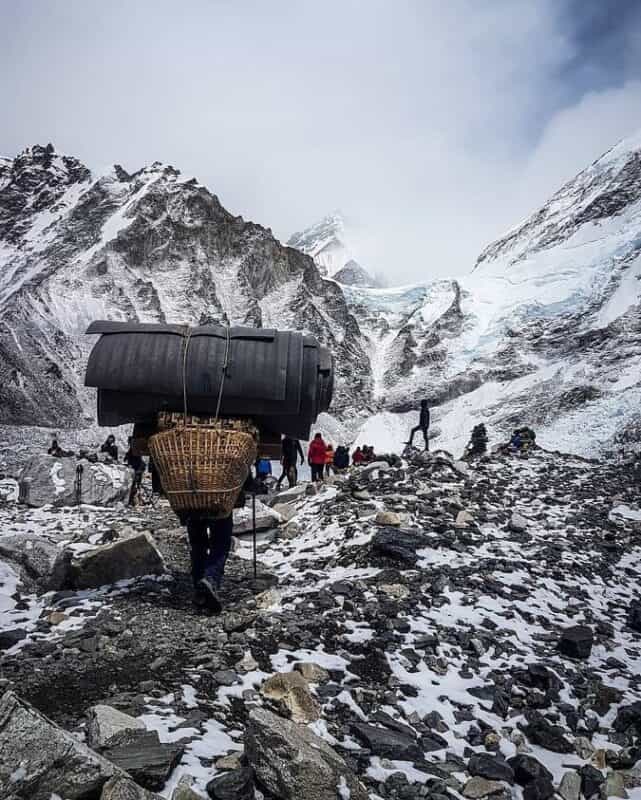
The Everest Base Camp Trek is one of the world's most iconic high-altitude trekking adventures. The journey takes you from the small mountain town of Lukla through the Sherpa villages of the Khumbu region to Everest Base Camp at 5,364 meters (17,598 feet).
Everest Base Camp Trek Altitude and Acclimatization Guide
The Everest Base Camp Trek is one of the world's most iconic high-altitude trekking adventures. The journey takes you from the small mountain town of Lukla through the Sherpa villages of the Khumbu region to Everest Base Camp at 5,364 meters (17,598 feet).
One of the most important things to understand before starting the trek is altitude and acclimatization. The higher you climb, the thinner the air becomes, and your body needs time to adjust to the reduced oxygen levels.
A well-planned Everest Base Camp itinerary therefore does more than simply take you from Lukla to Base Camp. It includes gradual altitude gain, appropriate rest days and careful monitoring of how your body responds to the elevation.
At Trekadviser, we plan our Everest Base Camp journeys with altitude, acclimatization and safety as important parts of the trekking experience.
Everest Base Camp Trek Altitude at a Glance
Location | Elevation | Trekking & Acclimatization |
|---|---|---|
Lukla | 2,860 m | Starting point of the trek |
Namche Bazaar | 3,440 m | Acclimatization stop |
Tengboche | 3,860 m | Gradual altitude gain |
Dingboche | 4,410 m | Acclimatization stop |
Lobuche | 4,910 m | High-altitude overnight stop |
Gorak Shep | 5,164 m | Highest overnight settlement |
Everest Base Camp | 5,364 m | Main trekking destination |
Kala Patthar | 5,545 m | Highest point on the standard EBC route |
Elevations may vary slightly between maps, GPS devices and published sources.
How High Is Everest Base Camp?
Everest Base Camp is approximately 5,364 meters (17,598 feet) above sea level.
This means the air contains considerably less available oxygen than at sea level. Although you do not need technical climbing skills to reach Everest Base Camp on the standard trekking route, the altitude makes the trek physically demanding.
The highest point on the standard Everest Base Camp trekking itinerary is generally Kala Patthar at 5,545 meters (18,192 feet). Many trekkers hike Kala Patthar early in the morning for panoramic views of Mount Everest and the surrounding Himalayan peaks.
Everest Base Camp Trek Elevation Gain
The trek begins at approximately 2,860 meters in Lukla and gradually climbs above 5,000 meters.
The approximate elevation progression is:
Lukla → 2,860 m
↓
Namche Bazaar → 3,440 m
↓
Tengboche → 3,860 m
↓
Dingboche → 4,410 m
↓
Lobuche → 4,910 m
↓
Gorak Shep → 5,164 m
↓
Everest Base Camp → 5,364 m
↓
Kala Patthar → 5,545 m
The relatively gradual increase is an important part of a properly designed Everest Base Camp itinerary.
Why Is Acclimatization Important?
Acclimatization is the process by which your body adjusts to the lower oxygen availability at higher elevations.
At lower elevations, your body receives more oxygen with every breath. As you ascend, atmospheric pressure decreases and less oxygen is available. Your body needs time to adapt.
This is why ascending too quickly can increase the risk of altitude-related illness.
A good EBC itinerary does not simply focus on reaching Base Camp as quickly as possible. It allows time for your body to adjust before continuing to higher elevations.
Acclimatization at Namche Bazaar
Namche Bazaar at approximately 3,440 meters is one of the most important acclimatization points on the Everest Base Camp Trek.
Instead of continuing directly toward higher elevations, trekkers normally spend an additional night in Namche.
An acclimatization day does not necessarily mean staying inside the lodge all day. A short hike to a higher elevation followed by a return to Namche can help trekkers become accustomed to the altitude without sleeping significantly higher.
Popular activities around Namche include hiking toward the Everest View Hotel, visiting Khumjung and Khunde villages, and exploring the Sherpa culture of the region.
Acclimatization at Dingboche
Dingboche is located at approximately 4,410 meters and is another important acclimatization point.
The landscape becomes noticeably more alpine as you climb higher into the Khumbu Valley. Spending an additional night here provides valuable time for your body to adapt before continuing toward Lobuche and Gorak Shep.
Depending on the itinerary and conditions, trekkers may take a gradual acclimatization hike around Dingboche and return to the village to sleep.
What Is Acute Mountain Sickness (AMS)?
Acute Mountain Sickness (AMS) is an altitude-related condition that can affect people when they ascend to high elevations.
It can happen regardless of age, gender or fitness level. Being physically fit does not guarantee that someone will avoid altitude sickness.
Common symptoms can include:
- Headache
- Dizziness
- Nausea
- Loss of appetite
- Unusual tiredness
- Difficulty sleeping
- Shortness of breath during activity
Mild symptoms can occur as the body adjusts to altitude, but worsening symptoms should never be ignored.
When Should You Be Concerned About Altitude Sickness?
Altitude-related symptoms can become serious if they worsen or are accompanied by signs of more severe altitude illness.
Trekkers should immediately inform their guide if they feel significantly unwell.
Depending on the severity of symptoms, appropriate action may include:
- Stopping further ascent
- Resting and monitoring symptoms
- Descending to a lower elevation
- Seeking medical assistance
- Arranging evacuation when medically necessary
The most important rule is not to continue ascending when serious altitude sickness symptoms are developing.
How to Prepare for High Altitude
There is no guaranteed way to prevent altitude sickness, but sensible preparation can help you manage the physical demands of the trek.
1. Follow a gradual itinerary
Choose an itinerary that provides sufficient time for acclimatization rather than trying to reach Everest Base Camp in the shortest possible time.
2. Stay hydrated
Drink fluids regularly during the trek. Your guide can advise you about hydration according to the conditions and your individual needs.
3. Walk at a comfortable pace
There is no need to race toward the next village. A steady, sustainable pace is generally more suitable for high-altitude trekking.
4. Listen to your body
Tell your guide if you develop a headache, dizziness, nausea, unusual fatigue or other symptoms.
5. Avoid unnecessary rapid altitude gain
Your itinerary should be designed around appropriate altitude progression and acclimatization.
6. Prepare physically before the trek
Regular walking, hiking, cardiovascular exercise and strength training can help prepare your body for the long trekking days.
Physical fitness, however, does not eliminate the risk of altitude sickness.
How Long Does It Take to Reach Everest Base Camp?
A typical Everest Base Camp Trek takes approximately 12–16 days, depending on the itinerary, acclimatization schedule, transportation arrangements and route.
A longer itinerary can provide more flexibility for acclimatization and weather-related changes.
At Trekadviser, we recommend choosing an itinerary based on safe and comfortable progression rather than simply choosing the shortest possible number of days.
Everest Base Camp Trek: Day-by-Day Altitude
A typical itinerary may look like this:
Trekking Stage | Approx. Elevation |
|---|---|
Lukla | 2,860 m |
Phakding | 2,610 m |
Namche Bazaar | 3,440 m |
Tengboche | 3,860 m |
Dingboche | 4,410 m |
Lobuche | 4,910 m |
Gorak Shep | 5,164 m |
Everest Base Camp | 5,364 m |
Kala Patthar | 5,545 m |
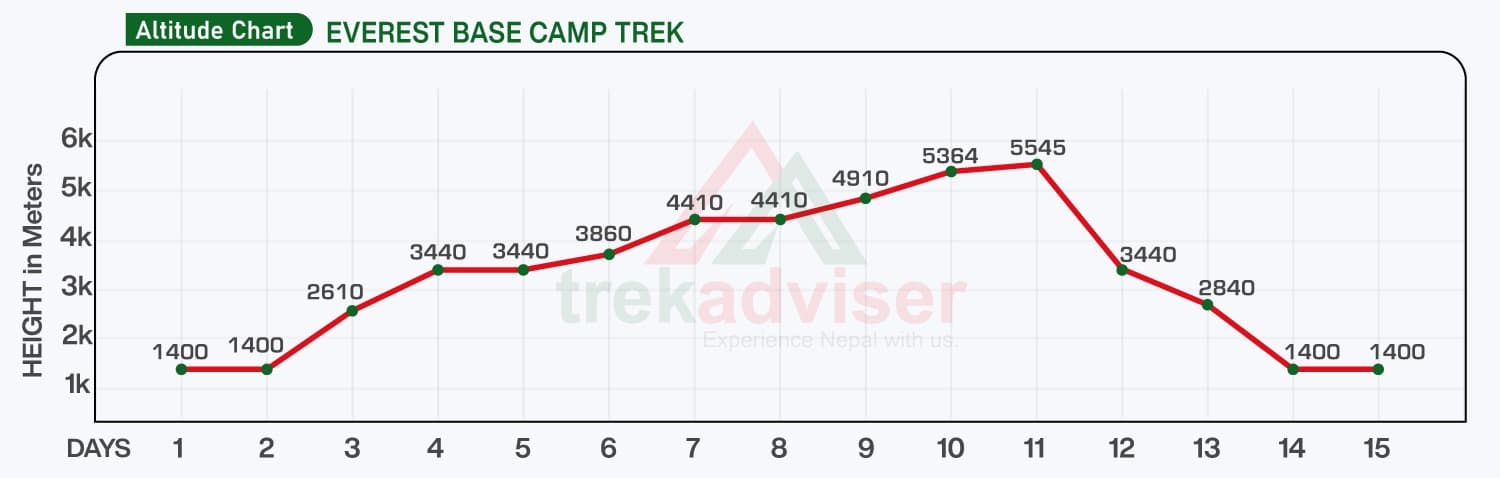
The exact overnight locations and elevations can vary depending on the itinerary, weather, trail conditions and accommodation availability.
Everest Base Camp vs Kala Patthar: Which Is Higher?
Kala Patthar is higher than Everest Base Camp.
- Everest Base Camp: 5,364 m
- Kala Patthar: 5,545 m
Although Everest Base Camp is the primary destination, Kala Patthar is usually the highest point reached by trekkers on the standard route.
The summit of Kala Patthar provides one of the classic viewpoints of Mount Everest and the surrounding peaks.
Why the Return Journey Matters
Reaching Everest Base Camp is only part of the adventure.
After reaching Base Camp and Kala Patthar, trekkers still need to descend through the Khumbu Valley. Descending generally becomes easier from an altitude perspective, but the return journey can still be physically demanding after several days of trekking.
A sensible itinerary should therefore allow adequate time for the return journey rather than treating Base Camp as the only objective.
What Should You Pack for High Altitude?
Good equipment can make your Everest Base Camp experience more comfortable.
Essential items generally include:
- Good trekking boots
- Warm layers
- Down jacket
- Waterproof jacket and trousers
- Warm hat and gloves
- Trekking poles
- Sunglasses
- Sunscreen
- Water bottles or hydration system
- Sleeping bag suitable for cold conditions
- Headlamp
- Personal medications
- Basic first-aid supplies
- Comfortable trekking clothes
Your packing list should also take into account the season in which you are trekking.
Does Fitness Prevent Altitude Sickness?
No.
Being fit can help you handle long trekking days, steep climbs and physical fatigue, but fitness does not guarantee protection from altitude sickness.
Altitude affects people differently. Someone who is very fit can still experience altitude-related problems, while another trekker with less athletic experience may acclimatize well.
This is why gradual ascent and proper acclimatization are important for everyone.
Trekking to Everest Base Camp With Trekadviser
At Trekadviser, we are a locally operated Nepal trekking company specializing in trekking and Himalayan adventures.
Our Everest Base Camp trekking approach focuses on:
- Experienced local guides
- Gradual altitude progression
- Planned acclimatization days
- Small-group trekking
- Safety-focused trekking practices
- First-aid and altitude awareness
- Regular communication between guides and trekkers
- Flexible decision-making when weather or trail conditions change
Our guides monitor how trekkers are feeling throughout the journey and encourage clients to communicate any symptoms early.
Safety comes before reaching the destination.
Everest Base Camp Trek: Altitude and Acclimatization FAQs
What is the altitude of Everest Base Camp?
Everest Base Camp is approximately 5,364 meters (17,598 feet) above sea level.
What is the highest point on the Everest Base Camp Trek?
Kala Patthar, at approximately 5,545 meters, is generally the highest point reached on the standard Everest Base Camp trekking route.
What is the altitude of Namche Bazaar?
Namche Bazaar is approximately 3,440 meters above sea level.
What is the altitude of Dingboche?
Dingboche is approximately 4,410 meters above sea level.
Where are the acclimatization days on the EBC Trek?
Most standard itineraries include acclimatization stops around Namche Bazaar and Dingboche, although exact itineraries vary.
Can beginners trek to Everest Base Camp?
Yes. People without previous high-altitude trekking experience can trek to Everest Base Camp with appropriate preparation, a suitable itinerary and experienced support. However, the trek is physically demanding and altitude affects each person differently.
How can I reduce the risk of altitude sickness?
Gradual ascent, appropriate acclimatization, adequate hydration, a steady walking pace and communicating symptoms early are important. Your trekking guide should advise you about altitude management throughout the trek.
Is Everest Base Camp harder because of altitude?
Altitude is one of the main challenges of the trek. The trail itself does not require technical mountaineering skills on the standard route, but the high elevation makes walking more physically demanding.
Plan Your Everest Base Camp Trek
The Everest Base Camp Trek is more than a walk to a famous destination. It is a gradual journey through Sherpa villages, Buddhist monasteries, dramatic Himalayan landscapes and some of the world's highest mountains.
Understanding Everest Base Camp altitude and acclimatization before your journey can help you prepare realistically and make informed decisions while on the trail.
If you are planning your trek, choose an itinerary that gives your body adequate time to adapt to increasing elevation and work with an experienced local trekking team.
Trekadviser — Where Trails Become Stories.
[Explore our Everest Base Camp Trek package and check the current itinerary, inclusions, departures and pricing.]