Annapurna Region Trekking: Complete Guide to the Best Treks in Nepal
Annapurna Region Trekking: Complete Guide to the Best Treks in Nepal
The Annapurna Region is one of the most diverse trekking destinations in Nepal, combining spectacular Himalayan scenery, traditional mountain villages, lush forests, high-altitude landscapes, and rich local culture.
From the short and scenic Ghorepani Poon Hill Trek to the challenging Annapurna Circuit Trek, the region offers trekking experiences for beginners, experienced hikers, families, and adventure travelers.
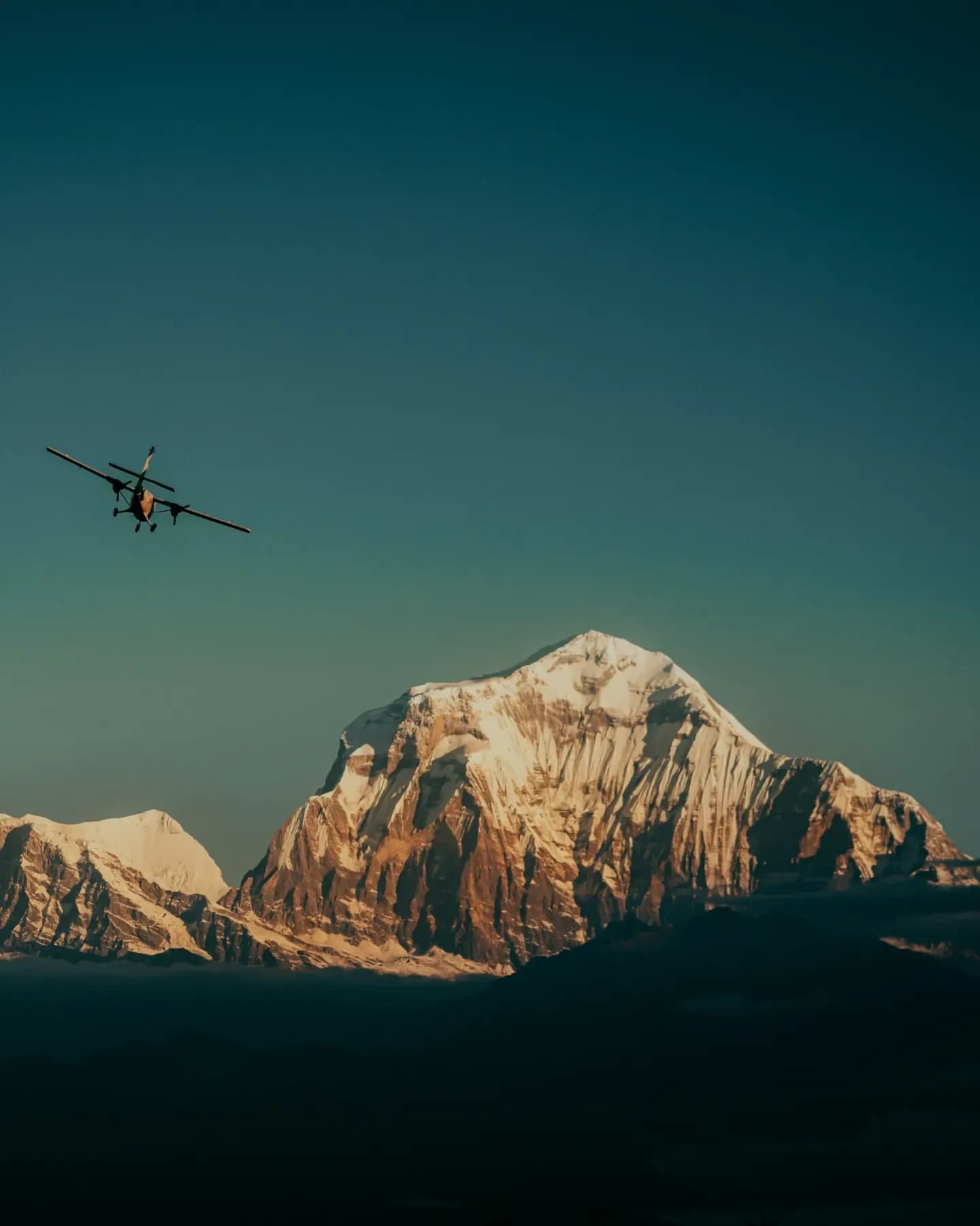
The Annapurna mountain range includes some of the world's most impressive peaks, including Annapurna I (8,091 m), Annapurna South, Hiunchuli, Gangapurna, Tilicho Peak, and the iconic Machhapuchhre (Fishtail).
What makes Annapurna particularly special is the dramatic change in landscape. A trek can begin among green hills and terraced farms and gradually lead through rhododendron forests, deep river valleys, alpine meadows, Buddhist villages, and high mountain passes.
Why Trek in the Annapurna Region?
Annapurna is an excellent choice for travelers who want to experience different sides of the Nepal Himalayas within one trekking region.
Some of the main highlights include:
- Panoramic views of the Annapurna and Dhaulagiri ranges
- Traditional Gurung, Magar, and Thakali villages
- Rhododendron and pine forests
- High-altitude landscapes around Manang and Thorong La
- The spectacular Annapurna Sanctuary
- Sunrise from Poon Hill
- Machhapuchhre (Fishtail) views
- Tilicho Lake
- Natural hot springs
- Buddhist monasteries and mountain communities
- A wide range of trekking routes and durations
The region also has a relatively well-developed trekking infrastructure, with teahouses and lodges available along many of the major routes.
Best Treks in the Annapurna Region
There is no single "best" Annapurna trek for everyone. The right route depends on your available time, fitness, trekking experience, altitude tolerance, and interests.
1. Annapurna Circuit Trek
The Annapurna Circuit Trek is one of Nepal's classic long-distance Himalayan journeys.
The route traditionally travels around the Annapurna Massif, passing through changing geographical and cultural environments. Trekkers encounter green valleys, pine and rhododendron forests, high mountain landscapes, Tibetan-influenced villages, and the dramatic crossing of Thorong La Pass at 5,416 meters.
Popular stops include Dharapani, Chame, Pisang, Manang, Muktinath, and Jomsom.
Typical duration: 12–18 days
Highest point: Thorong La Pass – 5,416 m
Difficulty: Moderate to challenging
The itinerary can be customized depending on road conditions, acclimatization requirements, and whether trekkers want to include side trips such as Tilicho Lake.
2. Annapurna Base Camp Trek
The Annapurna Base Camp Trek, commonly called the ABC Trek, takes trekkers into the spectacular Annapurna Sanctuary.
The trail passes through traditional villages, forests, waterfalls, and mountain valleys before reaching Annapurna Base Camp at around 4,130 meters.
From the sanctuary, trekkers are surrounded by enormous Himalayan peaks, creating a completely different experience from the open landscapes of the Annapurna Circuit.
Typical duration: 7–12 days
Highest point: Annapurna Base Camp – 4,130 m
Difficulty: Moderate
ABC is particularly suitable for travelers who want a classic Himalayan trekking experience without committing to a two-week high-pass journey.
3. Ghorepani Poon Hill Trek
The Ghorepani Poon Hill Trek is one of the most popular short treks in Nepal.
The highlight is an early-morning hike to Poon Hill, where trekkers can watch the first sunlight reach the Annapurna and Dhaulagiri mountain ranges.
The route also passes through beautiful rhododendron forests and traditional villages.
Typical duration: 4–7 days
Highest point: Poon Hill – approximately 3,210 m
Difficulty: Easy to moderate
It is a good option for travelers who have limited time in Nepal but still want mountain views and a genuine trekking experience.
4. Mardi Himal Trek
The Mardi Himal Trek has become a popular choice for travelers looking for a shorter Himalayan adventure with spectacular mountain views.
The trail passes through forests and alpine terrain before reaching higher viewpoints overlooking Machhapuchhre, Annapurna South, Hiunchuli, and the surrounding peaks.
Typical duration: 5–8 days
Highest point: Mardi Himal Base Camp area – approximately 4,500 m
Difficulty: Moderate
Compared with some of the major Annapurna routes, Mardi Himal can provide a quieter trekking experience, although trail conditions and visitor numbers vary by season.
5. Tilicho Lake Trek
Tilicho Lake is one of the major highlights of the Annapurna region.
Located at approximately 4,919 meters, Tilicho Lake sits in a dramatic high-altitude landscape surrounded by mountains.
Many trekkers visit Tilicho Lake as a side trip during the Annapurna Circuit. Because of the altitude, the itinerary needs to be planned carefully with appropriate acclimatization.
Typical duration: Usually included within a 14–18-day Annapurna Circuit itinerary
Altitude: Approximately 4,919 m
Difficulty: Challenging
Annapurna Circuit vs Annapurna Base Camp
Both routes offer spectacular Himalayan experiences, but they are quite different.
Feature | Annapurna Circuit | Annapurna Base Camp |
|---|---|---|
Typical duration | 12–18 days | 7–12 days |
Highest point | Thorong La – 5,416 m | ABC – 4,130 m |
Main attraction | High-pass crossing and diverse landscapes | Mountain sanctuary and close-up peaks |
Difficulty | Moderate to challenging | Moderate |
Cultural diversity | Very high | High |
Best for | Longer Himalayan adventure | Shorter mountain trek |
Your choice should depend on your time, trekking experience, and preferred type of adventure rather than simply choosing the more famous route.
Best Time to Trek in the Annapurna Region
The main trekking seasons in Annapurna are spring and autumn.
Spring: March to May
Spring generally offers good trekking conditions, warmer temperatures at lower elevations, and blooming rhododendrons.
The forests around lower Annapurna can become particularly colorful during March, April, and May.
Autumn: September to November
Autumn is traditionally one of the most popular trekking seasons in Nepal.
After the monsoon, many trails offer excellent mountain visibility and comfortable conditions, although weather can still vary at high elevations.
Winter: December to February
Winter trekking is possible, particularly on lower-altitude routes such as Poon Hill and parts of the Annapurna foothills.
Higher routes can experience heavy snowfall and freezing temperatures, and high passes such as Thorong La may become difficult or temporarily inaccessible depending on conditions.
Monsoon: June to August
The monsoon brings substantial rainfall to much of Nepal.
However, the northern parts of the Annapurna region, including areas around Manang and Mustang, lie partly within the Himalayan rain shadow and can offer different trekking conditions during the monsoon.
Annapurna Trek Difficulty
Trekking difficulty varies significantly across the Annapurna Region.
A short trek such as Poon Hill is considerably different from crossing Thorong La or visiting Tilicho Lake.
Before choosing an itinerary, consider:
- Daily walking distance
- Maximum altitude
- Number of acclimatization days
- Trail conditions
- Weather
- Previous trekking experience
- Physical fitness
- Your ability to handle long uphill and downhill sections
High altitude is one of the most important factors. Even physically fit trekkers can experience altitude-related problems when ascending too quickly.
Altitude and Acclimatization
Altitude should be taken seriously on Annapurna treks, especially on routes that reach above 4,000 meters.
The Annapurna Circuit, Tilicho Lake, and Thorong La sections require careful itinerary planning.
A responsible trekking itinerary should allow appropriate acclimatization and gradual ascent. Trekkers should also stay hydrated, maintain a comfortable pace, and communicate with their guide if they develop symptoms such as headache, dizziness, unusual fatigue, nausea, or difficulty breathing.
If serious altitude-related symptoms develop, descending to a lower elevation is an important safety measure.
Accommodation During Annapurna Treks
Most established Annapurna trekking routes have teahouses and mountain lodges.
Facilities vary depending on altitude and location. Lower sections generally offer more accommodation choices and facilities, while remote and high-altitude villages have more basic services.
Most teahouses provide:
- Private or shared rooms
- Blankets
- Dining areas
- Hot meals
- Tea and coffee
- Basic charging facilities
- Hot showers in many locations
Availability and facilities can vary by season and location, so travelers should not expect hotel-level services in remote mountain areas.
Food on the Annapurna Trek
Food is an important part of the trekking experience.
Common meals include:
- Dal bhat
- Rice and vegetables
- Noodles
- Pasta
- Soups
- Eggs
- Tibetan-style bread
- Momos
- Potatoes
- Pancakes
- Tea and coffee
Dal bhat remains one of the most popular trekking meals because it provides carbohydrates, vegetables, and protein and is widely available along the route.
Annapurna Trekking Permits
Permit requirements depend on the trekking route and current regulations.
Many Annapurna routes require an Annapurna Conservation Area Permit (ACAP). Trekkers may also need other applicable permits or registration depending on the route and current government regulations.
It is important to check the latest requirements before departure because permit rules and fees can change.
Responsible Trekking in Annapurna
The Annapurna Region is home to local communities, forests, wildlife, rivers, and fragile mountain ecosystems.
Responsible trekking helps protect the region for future generations.
Travelers can reduce their impact by:
- Carrying reusable water bottles
- Avoiding unnecessary plastic
- Using established trails
- Respecting local culture and religious sites
- Supporting locally owned teahouses and businesses
- Avoiding littering
- Following local conservation rules
- Respecting wildlife
- Using local guides and porters fairly
Choosing a responsible trekking company can also help ensure that guides, porters, and local communities benefit from tourism.
Why Trek Annapurna with a Local Company?
A local Nepal trekking company can provide practical support before and during your trek, including itinerary planning, permits, transportation, guides, accommodation arrangements, and assistance when mountain conditions change.
At Trekadviser, we focus on small-group and customized trekking experiences with an emphasis on safety, responsible travel, and local knowledge.
Our team can help travelers choose an Annapurna itinerary based on their available time, experience, fitness level, and preferred trekking style.
Whether you are interested in Annapurna Circuit, Annapurna Base Camp, Poon Hill, Mardi Himal, or Tilicho Lake, we can create a trekking plan suited to your journey.
Final Thoughts
The Annapurna Region offers much more than spectacular mountain views. It is a journey through changing landscapes, traditional communities, mountain cultures, forests, rivers, and some of the most impressive scenery in Nepal.
For first-time trekkers, short routes such as Poon Hill can provide an introduction to the Himalayas. For travelers seeking a longer challenge, the Annapurna Circuit and Tilicho Lake offer a deeper high-altitude adventure.
Whichever route you choose, careful preparation, responsible travel, and respect for the mountains and local communities can make your Annapurna trek a truly memorable experience.
Ready to explore the Annapurna Himalayas? Trek with Trekadviser and turn the trail into a story.
Frequently Asked Questions
How many days do you need for an Annapurna trek?
It depends on the route. Short treks such as Poon Hill can take around 4–7 days, while the Annapurna Base Camp Trek commonly takes 7–12 days and the Annapurna Circuit usually requires around 12–18 days.
Which is the most popular trek in the Annapurna Region?
The Annapurna Circuit, Annapurna Base Camp, and Ghorepani Poon Hill routes are among the region's best-known trekking routes.
What is the highest point of the Annapurna Circuit?
The highest point is Thorong La Pass at approximately 5,416 meters.
Is Annapurna suitable for beginners?
Some Annapurna treks, such as Poon Hill, can be suitable for beginners with reasonable fitness and preparation. Higher and longer routes require greater physical preparation and careful acclimatization.
What is the best month for Annapurna trekking?
March–May and September–November are generally considered the main trekking seasons, although the best period depends on the specific route and current weather conditions.
Is Annapurna trekking possible in winter?
Yes, some lower-altitude routes can be trekked during winter. However, high-altitude sections and passes can experience snow, freezing temperatures, and difficult conditions.
Do I need a guide for Annapurna trekking?
Guide and registration requirements can vary by route and current regulations. Travelers should check the latest official requirements before starting their trek.